Reality Fracture, widely regarded as one of Magic: The Gathering's strongest sets of 2026, will have an unusually brief window in the spotlight. The set launched on October 2 and will be phased out of most play formats when Star Trek arrives on November 13, giving it a lifespan of only six weeks before the new Universes Beyond release takes over. This compressed timeline highlights growing concerns about the pace of Magic releases and the toll it takes on the game's community.
The rapid rotation reflects Magic's accelerated release schedule, which has become a defining feature of the game in recent years. The quick succession of new sets means that established releases lose support far more quickly than they once did. Reality Fracture is the sixth of seven Magic sets released in 2026, with an eighth if Mystery Booster Commander Edition is included. This volume of releases creates a constant churn that leaves little room for any single set to maintain player attention.
What Makes Reality Fracture Stand Out
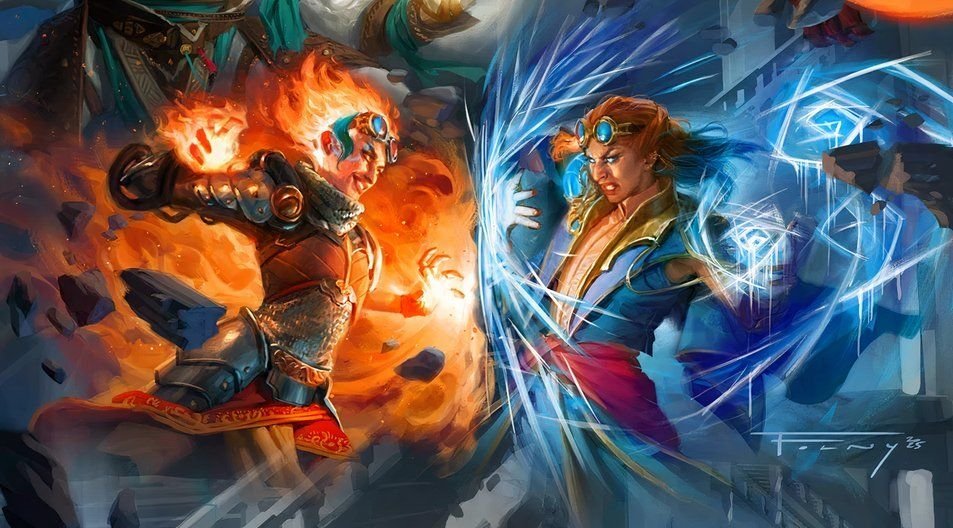
Reality Fracture succeeded where many recent sets have struggled: it balanced compelling flavor with engaging gameplay. The set brought a long-running storyline to a close with the death of Jace Beleren, one of Magic's most iconic characters, even if the narrative conclusion felt underwhelming to some. More importantly, the set delivered on mechanical innovation that resonated with Limited players, who play exclusively with cards from a single set in formats like Draft and Sealed.
The Empower Jace mechanic stands as the set's most notable feature, generating Jace planeswalker tokens available to all five colors. These tokens significantly shaped Limited gameplay across the entire set. Beyond that centerpiece, Reality Fracture introduced the five Hexhaven schools—militaristic colleges created by Jace in his twisted version of the Magic Multiverse—each serving as distinct and engaging build-around archetypes for Limited players. The set also supported five additional color-pair strategies, ensuring that while not every approach received equal support, all had the potential to form the foundation of a competitive Draft or Sealed deck.
Limited players of all skill levels have praised Reality Fracture since its debut on September 25 for its prerelease events. The set offers balanced, interesting gameplay backed by a powerful card pool that encouraged widespread testing and engagement. For many in the community, it represents a rare achievement: a set that excels both in terms of mechanical depth and thematic coherence.
The Disruption of Star Trek's Arrival
The transition to Star Trek will mark a dramatic shift in tone and aesthetic. Star Trek launches on November 13 with prerelease events beginning November 6, and Wizards of the Coast has allocated twice as much time for this set—a full 12 weeks compared to Reality Fracture's six. The sci-fi property brings spaceships, Romulans, cyborgs, and laser guns into Magic's multiverse, a departure that will be immediately felt by players accustomed to Reality Fracture's traditional fantasy setting.
The 2026 track record for Universes Beyond sets provides little confidence that Star Trek will match Reality Fracture's quality. Lorwyn Eclipsed offered interesting Limited gameplay but was held back by its typal mechanics. Teenage Mutant Ninja Turtles faced widespread criticism for its aesthetic choices, and while the Limited format itself wasn't fundamentally broken, most players found it uncompelling. Secrets of Strixhaven landed squarely in average territory, with Limited games devolving into either aggressive white-red or white-black strategies or five-color control decks that felt disconnected from the set's intended themes.
Marvel Super Heroes proved enjoyable to play but struggled to appeal beyond Marvel enthusiasts. The Hobbit, conversely, delivered on flavor and thematic resonance but produced one of the worst Limited gameplay experiences in recent years. Against this backdrop, Star Trek faces skepticism about whether it can deliver both mechanical depth and thematic satisfaction.
The Flavor and Identity Problem
A core criticism of Universes Beyond centers on how these sets diverge from traditional Magic flavor and imagery. The franchise collaborations introduce aesthetics and worlds that feel fundamentally disconnected from Magic's established identity. Following Reality Fracture, which drew directly from Magic's own history and lore, the introduction of a sci-fi property featuring real actors in its card art will likely amplify complaints about the direction of the game.
Reality Fracture succeeded precisely because it married strong flavor with relevant in-universe storytelling and excellent gameplay mechanics. That rare combination made it feel essential rather than obligatory. The six-week window before Star Trek's arrival means players will have limited opportunity to fully explore and appreciate what the set offers before being pushed toward the next release.
A Partial Reprieve on Magic Arena
Wizards of the Coast has announced one exception to the standard rotation schedule. Reality Fracture will remain available on Magic Arena as a Premier Draft format for some period after Star Trek's release, though the exact duration remains unspecified. This decision suggests that the Arena team is responding to player feedback about sets that generate particular enthusiasm and appreciation.
The move indicates a willingness to extend the lifespan of well-received formats in the digital space, at least on a case-by-case basis. However, this reprieve applies only to online play. Official competitive events and most local game store events will transition to Star Trek immediately upon its release, ensuring that the in-person play experience—where many players prefer to engage with Magic—will shift away from Reality Fracture.
The Broader Issue of Magic Fatigue
Mark Rosewater, Magic's head designer, has stated that research conducted by Wizards of the Coast shows only a small minority of players feel compelled to track every newly released card. However, this claim stands in tension with the company's own historical position. In a 2008 column, Rosewater acknowledged that even established players were struggling to keep up with the volume of new cards and advocated for limiting annual releases to lower the entry barrier.
While 18 years have passed and circumstances have shifted, the current environment suggests that Magic fatigue remains a genuine concern. The combination of massive card output, the proliferation of Universes Beyond sets, and a significant portion of the player community expressing frustration with Wizards' direction all point to real strain on the game's ecosystem. The fact that a set as well-received as Reality Fracture receives only six weeks of focus before being displaced underscores how the release cadence prioritizes constant novelty over allowing quality sets to flourish.
The situation reflects a fundamental tension in Magic's business model: the need to maintain engagement and drive sales through new products versus the player desire to spend meaningful time with sets they genuinely enjoy. Reality Fracture represents what many players want from Magic—compelling gameplay, strong narrative payoff, and thematic coherence. Its abbreviated window serves as a reminder that commercial pressures often override what makes the game most satisfying to play.
Related Articles
About the Author