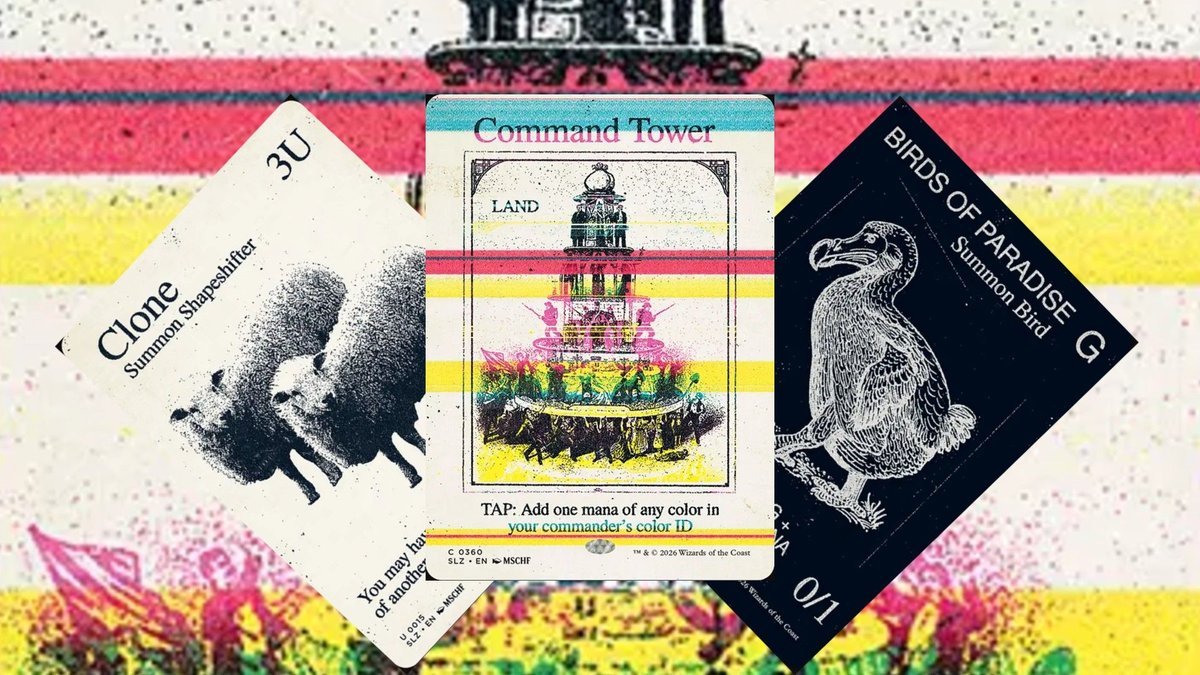
Wizards of the Coast has sparked widespread backlash across the Magic: The Gathering community following the announcement of The Zeta Set, an unconventional Secret Lair release that pivots away from guaranteed card bundles in favor of randomized booster packs.
Scheduled to go on sale September 2, 2026, through the Chaos Vault platform, the release features a pre-queue opening at 8:00 a.m. PT, followed by the official sale launch at 9:00 a.m. PT. Individual booster packs, containing seven cards each, are priced at $19.92. To manage supply, the publisher is enforcing a strict purchasing limit of 12 packs per customer.
The core set comprises 121 base cards, but every card also includes two additional stylistic variants: a photocopy negative design and a color banding version. In total, the full collection spans 363 distinct cards. The product includes several high-profile and expensive reprints, such as Chrome Mox, Mana Echoes, Darksteel Monolith, Land Tax, and Tomb of Yawgmoth.
The structure of the release has infuriated fans for several reasons. Traditionally, Secret Lair products offer complete, fixed card sets, but the strict 12-pack cap makes completing even the base set impossible through direct purchase. Players also accuse the company of using randomized booster packs to turn high-value card reprints into a gambling mechanic rather than offering them as guaranteed purchases.
Broader industry concerns have also emerged. Wizards of the Coast reportedly confirmed to Polygon that it is monitoring customer response to test whether booster packs could become a permanent fixture in future Secret Lair drops. This has fueled anxiety among fans that the publisher aims to sell randomized packs directly to consumers, cutting local game stores out of the distribution chain. Furthermore, the set utilizes uncredited public domain artwork to create a playtest aesthetic, generating additional anger over artist credit practices.
This wave of criticism threatens to undermine the positive momentum Wizards of the Coast recently built with well-received products like Lorwyn Eclipsed, Secret of Strixhaven, The Hobbit, and Reality Fracture. Observers note that the controversy reflects a growing frustration over poor planning and lack of transparency regarding the future direction of direct-to-consumer MTG releases.
About the Author