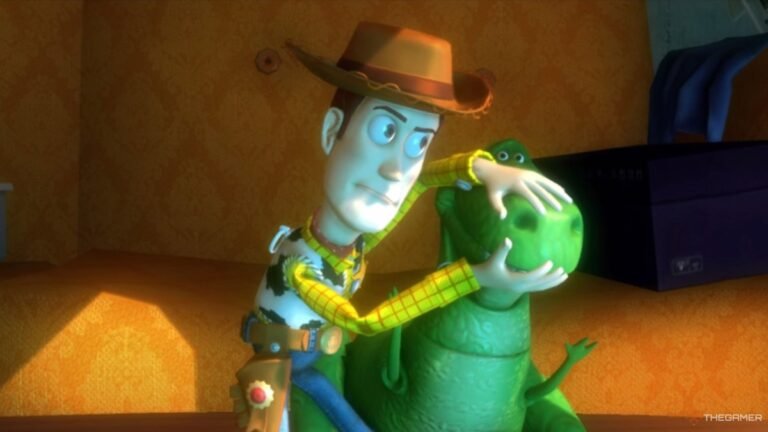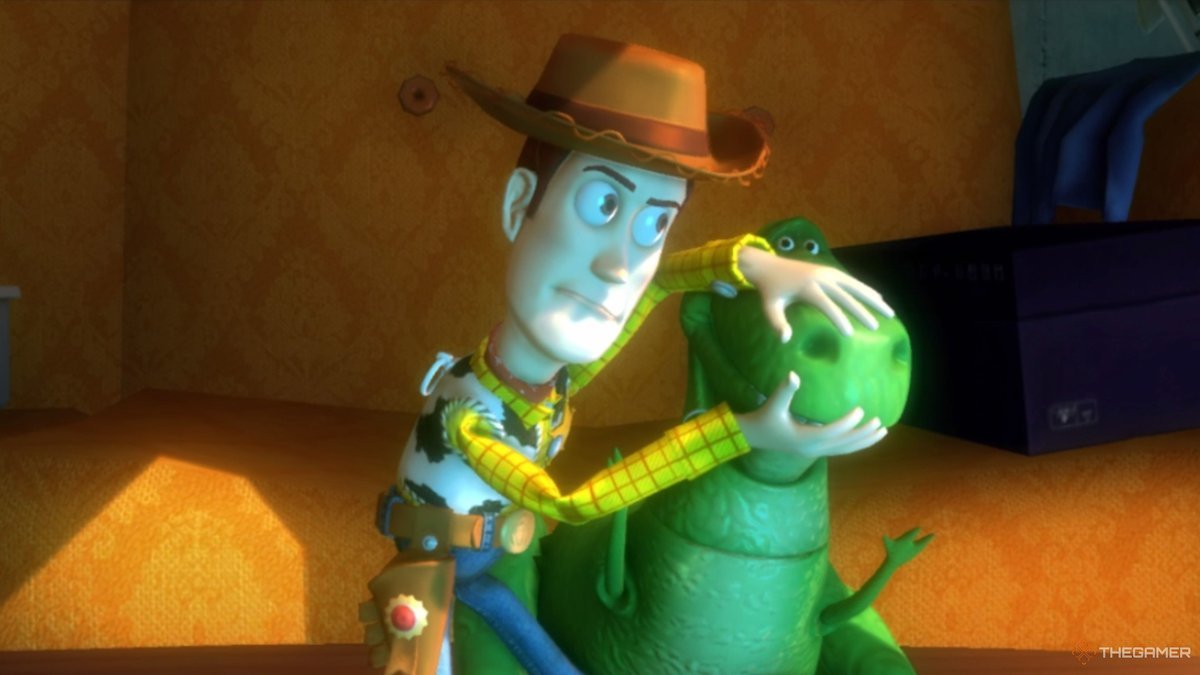
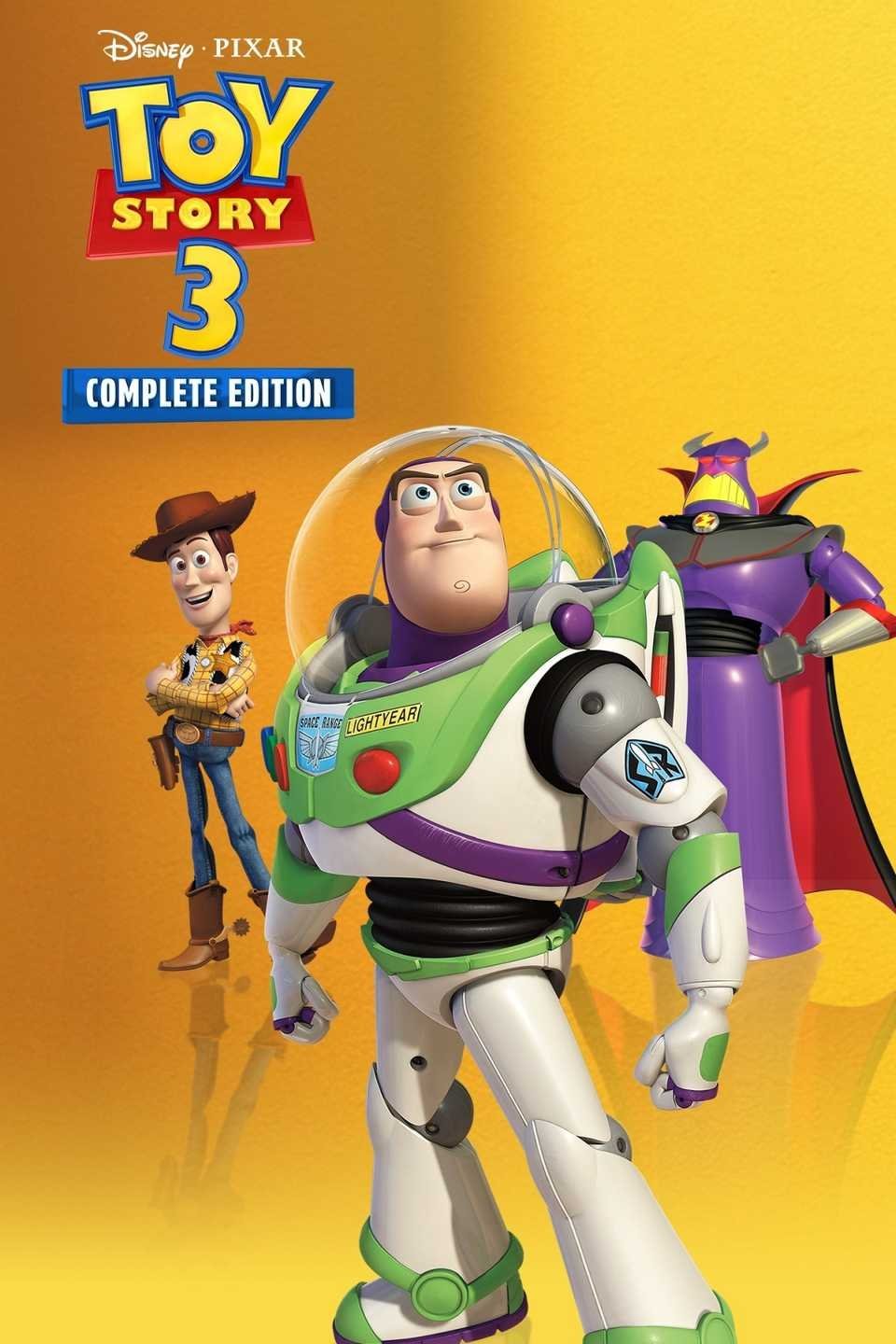
Toy Story 3 stands as one of the finest video game adaptations of a film ever made. The 3D platformer succeeded not merely by translating the movie's plot into interactive form, but by deepening the experience for fans of the franchise in ways few licensed games have managed. That legacy has now been revived through Digital Eclipse's comprehensive effort to bring the entire Toy Story game catalogue to modern systems, including a full remaster of the original platformer alongside a collection of earlier titles from the 1990s and 2000s. The package is available both digitally and in physical form, bundled together for players seeking the complete experience.
The Death of Movie Tie-In Games
For decades, major film releases came with corresponding video games. Disney blockbusters like Aladdin, Hercules, and Tarzan all received game adaptations that launched alongside their theatrical debuts, giving audiences another avenue to engage with the worlds they had just experienced on screen. This practice has become virtually extinct, and the reasons are structural rather than creative. Modern game development timelines have grown substantially longer, making simultaneous release with a film nearly impossible. Even if a development team began work the moment a movie concept was greenlit, the film would almost certainly reach completion years before the game approached a releasable state.
Toy Story 3 likely represents one of the last true movie tie-in games to emerge from this traditional model, which makes its quality all the more poignant. The game released alongside the film in 2010, yet it transcended the typical constraints of the format. Rather than simply recreating the movie's narrative, the developers crafted something more ambitious: a love letter to the entire original trilogy that drew elements from all three films. The team received creative latitude that resulted in expanded areas like Woody's Roundup, which became central to the game's appeal and longevity.
A Blueprint for the Future
The remaster's success sixteen years after the original release demonstrates a crucial lesson that studios and publishers should embrace. The game did not require perfect synchronization with the film to achieve lasting value. Players who experienced it upon launch have rediscovered its quality and its ability to tell a distinct Toy Story story while remaining true to the source material. Disney now possesses a polished, modern version that serves multiple purposes: it can introduce younger players to the franchise whenever a new Toy Story film arrives, but it also stands as an evergreen product that maintains relevance independent of theatrical releases.
This principle inverts the conventional thinking about movie games. Rather than pursuing the nearly impossible task of coordinating a game's launch with its film, developers should prioritize creating something genuinely excellent that can endure across generations. A well-made game can be released on its own schedule, revisited years later through remasters or ports, and even enhanced with additional content as new films emerge. The Toy Story 3 remaster proves this model works in practice, not merely in theory.
The concept extends further. There is no inherent reason a remaster could not receive a second polish a decade hence, introducing it to players born after the original release. Additional story missions or expanded areas could be added to Woody's Roundup, keeping the experience fresh without requiring an entirely new game built from scratch. This approach addresses the fundamental problem that has effectively ended the movie game era: the prohibitive time and cost of developing new titles under tight deadlines.
Why Studios Have Stopped Trying
The challenge of creating a game as accomplished as Toy Story 3 is undeniably steep, yet the more pressing issue is that few studios appear to be attempting it at all. The industry has largely accepted that movie games are not a viable investment, abandoning the format rather than exploring how to make it work within modern development constraints. This resignation has left a gap in gaming that extends beyond mere nostalgia.
The potential remains evident in unexpected places. When Kingdom Hearts 4 revealed a world based on Pixar's Coco, the announcement generated considerable excitement among players. A standalone game set in Coco's Land of the Dead, developed with the same care and creative freedom afforded to Toy Story 3, could resonate powerfully even if it released years after the film or its upcoming sequel. Such a project would not require perfect timing; it would simply require quality and imagination. Yet the likelihood of such a game materializing appears slim, with Coco's inclusion in Kingdom Hearts representing perhaps the closest players will come to experiencing a dedicated video game in that universe.
What Comes Next
The remaster of Toy Story 3 serves as both a celebration of what was achieved and a reminder of what the industry has lost. It demonstrates that movie games need not be rushed, compromised products designed solely to capitalize on opening weekend ticket sales. They can be thoughtful, substantial experiences that enrich a franchise and provide entertainment value independent of any film release cycle. Digital Eclipse's work in bringing this classic back to modern platforms, combined with the original developers' vision, has created a template that other studios could follow.
Whether the industry will learn from this example remains uncertain. The Toy Story 3 remaster exists as a testament to what becomes possible when developers receive creative freedom and adequate time, when publishers prioritize quality over launch coordination, and when a game is allowed to stand on its own merits. For now, it remains a singular achievement in an era when movie games have largely vanished from the landscape.
Related Articles
About the Author