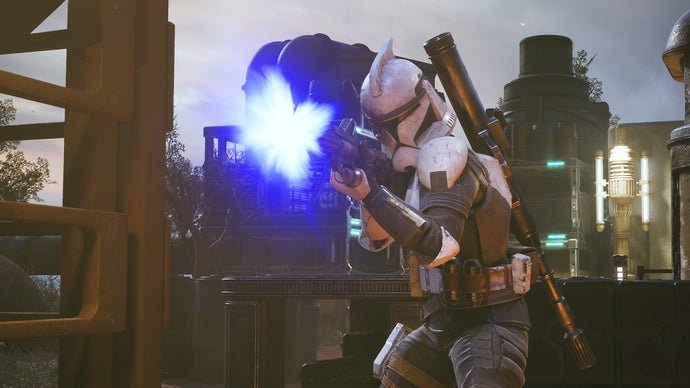
Bit Reactor has laid off an unspecified number of developers, including some who had recently returned from furlough, according to multiple staff members who announced their departures on LinkedIn. The layoffs come weeks after the studio recalled furloughed workers ahead of Star Wars Zero Company's August launch, though the company did not specify how many were brought back at that time.
Among those affected was Michael Blackard, a producer at Bit Reactor, and Ryan Mosher, a senior QA analyst. Ryan Lopez, an environment artist who had worked on the game for more than three years dating back to its pre-production phase, described being laid off after a three-month furlough. He acknowledged the disappointment while expressing pride in the team's work on the title.
Developers speak out
Tyler Eichten, a UI engineer, also confirmed his departure due to layoff, noting that he was proud of the accomplishments of both the UI/UX team and the broader studio. He expressed hope that affected colleagues would find new positions in what he described as a turbulent industry. The exact total number of staff members laid off remains unclear, and Bit Reactor has not issued an official statement regarding the reductions.
Uncertain scale of layoffs
When Bit Reactor initially recalled furloughed developers last month, reports suggested that more than half of the previously furloughed workforce had been converted to full-time positions. However, the new layoffs indicate that not all staff members were able to be retained. The studio has yet to provide details on how many positions were eliminated or whether additional cuts may follow.
Star Wars Zero Company achieved strong critical and commercial success following its release, making the layoffs particularly notable given the game's apparent quality and market performance. The timing raises questions about the sustainability of employment in the studio following the game's launch phase, a common challenge in game development where post-launch staffing often contracts significantly.
The situation reflects ongoing instability in the video game industry, where furloughs and layoffs have become increasingly common even after successful releases. Bit Reactor's handling of its workforce—furloughing staff before launch, recalling some, and then laying off others—illustrates the precarious nature of employment in game development.
Related Articles
About the Author