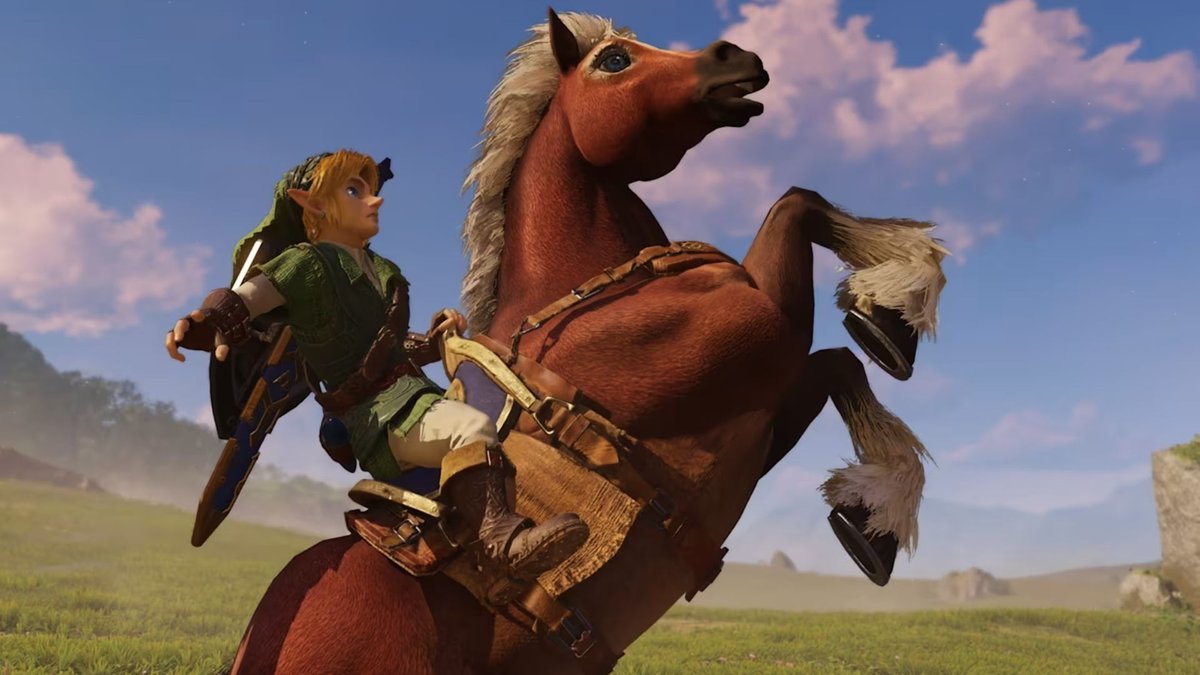
Nintendo's remake of The Legend of Zelda: Ocarina of Time arrived today to widespread critical praise, with reviewers hailing it as a nearly perfect recreation of one of gaming's most celebrated titles. The modernized version overhauls the original's controls and visuals while addressing one of the franchise's most infamous segments: the Water Temple. Despite the positive reception, many fans who pre-ordered physical copies through Amazon are facing significant frustration as their deliveries slip past the release date.
Shipping Delays Frustrate Pre-Order Customers
Across social media, players have reported substantial delays on their orders. Some buyers expect to wait several days beyond launch to receive their copies, while others face delays stretching a full week beyond their original promised delivery dates. The issue has become widespread enough that multiple customers have noted encountering similar problems with previous game pre-orders through the same retailer.
One frustrated buyer described ordering the game nearly a month in advance with a guaranteed release-day delivery, only to face a four-day delay. Amazon's Help account responded to complaints on social media but offered little concrete explanation. The company acknowledged the frustration but attributed the delays to unpredictable changes in product availability, stating that while it attempts to forecast when items will be ready for shipment, unforeseen circumstances can disrupt those plans.
The Shift Toward Digital Distribution
The shipping delays arrive amid a broader industry trend toward digital game sales. Nintendo's own sales figures reveal that digital software accounted for 61.5% of sales between April and June, representing a 2.2% increase compared to the previous year. The company has publicly committed to continuing physical game support for the foreseeable future, yet the composition of those physical releases is changing.
Most Switch 2 physical releases do not contain traditional game cartridges. Instead, the physical components function as license keys that unlock downloads from Nintendo's servers. This hybrid approach creates practical complications: games consume additional storage space on the console's hard drive, and the physical media faces the same preservation challenges as purely digital titles. Should Nintendo ever discontinue the servers hosting these downloads, the games would become completely inaccessible to owners of the physical versions.
The shift mirrors recent industry developments, particularly PlayStation's decision to phase out physical disc production entirely. Nintendo's early adoption of this licensing model for Switch 2 represents a significant step away from traditional game ownership, even for customers purchasing physical products.
Related Articles
About the Author