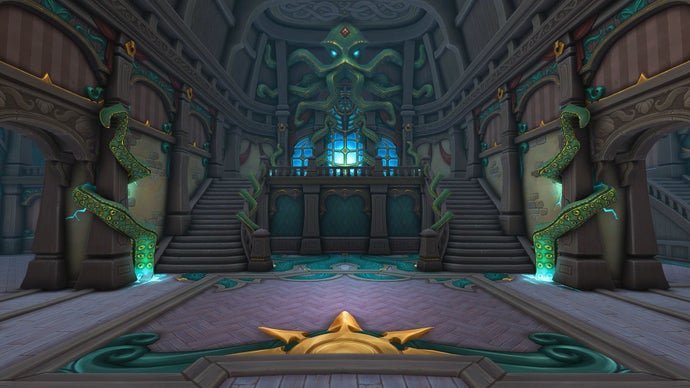
World of Warcraft players have expressed frustration with Blizzard over newly released housing cosmetics that seem to contradict the studio's stated policy on what can be sold in the game's premium shop. The haunted Grimtide Estate and Grimtide decor packs, available through both the Battle.net store and in-game shop, feature a spooky nautical aesthetic based on Kul Tiran furniture from the Battle for Azeroth expansion.
Policy and the Grimtide cosmetics
The controversy stems from a 2025 developer blog in which Blizzard explicitly stated that housing items tied to core racial or class fantasies, or items already present in Azeroth, would not be sold in the shop. The studio also pledged that thematically important decorations players know and love would remain unavailable for purchase. Many of the Grimtide cosmetics appear to violate this commitment, as they closely resemble or are visually tied to the Kul Tiran subrace introduced for Alliance players in Battle for Azeroth. A Grimtide dining chair with an anchor carved into its backrest, for instance, fits seamlessly with existing Kul Tiran house aesthetics.
The Halloween distinction argument
Defenders of the cosmetics argue that the Halloween theming provides sufficient differentiation from standard Kul Tiran furniture. The Grimtide Grand Piano, for example, features a large green tentacle emerging from the instrument, which could be considered distinct enough to justify its sale. This spooky twist, proponents suggest, transforms the items into separate cosmetics rather than direct replicas of existing racial decor. However, even those accepting this reasoning acknowledge that the cosmetics come dangerously close to the boundary Blizzard itself established.
Broader context of microtransaction controversy
This is not the first time Blizzard has faced backlash over premium cosmetics. The Burning Crusade Classic Deluxe Edition included a special mount that sparked significant player opposition to microtransactions in the classic version of the game. The controversy grew so intense that players unhappy with the mount's inclusion used automated scripts to perform spit emotes at those riding it. The emote became so prevalent that Blizzard disabled it shortly after. That incident demonstrated the community's sensitivity to perceived pay-to-win or cosmetic-based monetization decisions.
Uncertain path forward
It remains unclear whether Blizzard will view the current player backlash as reason to reverse course on the Grimtide cosmetics or clarify its housing cosmetics policy. The studio may choose to stand by the releases, or it could use the controversy as an opportunity to reassess its approach to premium housing decorations. The outcome will likely signal how seriously Blizzard intends to honor its previous commitments regarding cosmetic monetization.
Related Articles
About the Author