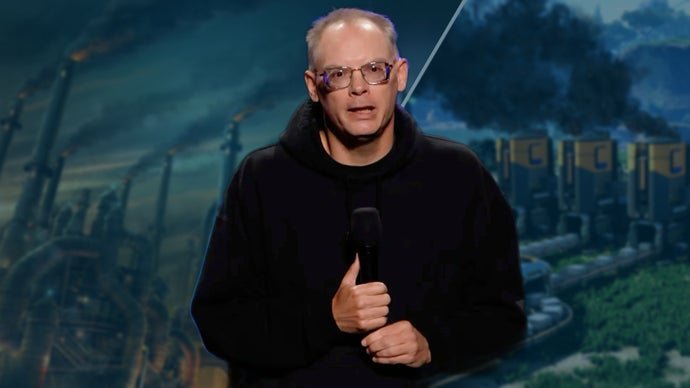
Epic Games Chief Executive Tim Sweeney has warned that the video game sector is enduring its most severe contraction since the 1983 Atari shock, pointing to artificial intelligence data centers as a major catalyst for hardware shortages.
In an interview with Edge Magazine, Sweeney explained that massive investments in AI technology are distorting the supply chain for computing components. Because artificial intelligence infrastructure requires vast capital, tech conglomerates can routinely outbid interactive entertainment companies for vital parts. This dynamic has caused the costs of memory and storage units to quadruple, creating severe pressure on hardware production and software distribution.
The Epic Games head predicted that the gaming industry will face a persistent hardware supply bottleneck for the next three years. To remedy the problem, Sweeney stated that global manufacturers must build massive new factories to expand production capacity. While he framed expanded manufacturing as the only viable long-term solution, he did not specify whether Epic Games would allocate its own profits toward hardware manufacturing investments.
These hardware challenges compound a broader economic downturn across the games industry, which has triggered widespread staff reductions at major publishers including Sony, Microsoft, Electronic Arts, Ubisoft, and Take-Two Interactive. Studios are contending with reduced market size following pandemic-era peaks, alongside escalating developer wages, longer production cycles, and changing consumer habits.
Epic Games has not been immune to these pressures, having eliminated approximately 1,000 developer positions in March. The studio had previously expanded its workforce to accommodate rapid growth, but a reduction in Fortnite player engagement forced executive leadership to restructure operations. At the time, Sweeney cited dropping console sales as an additional factor burdening the broader gaming market.
Outside of hardware discussions, Sweeney recently stirred conversation by describing competing user-creation platform Roblox as a dominant force that could eventually eat up the broader gaming landscape. Despite these market threats, Epic continues to push Fortnite forward through major crossovers, recently showcasing collaborations with popular gaming franchises including Street Fighter, Lara Croft, Kingdom Hearts, and Crash Bandicoot.
About the Author