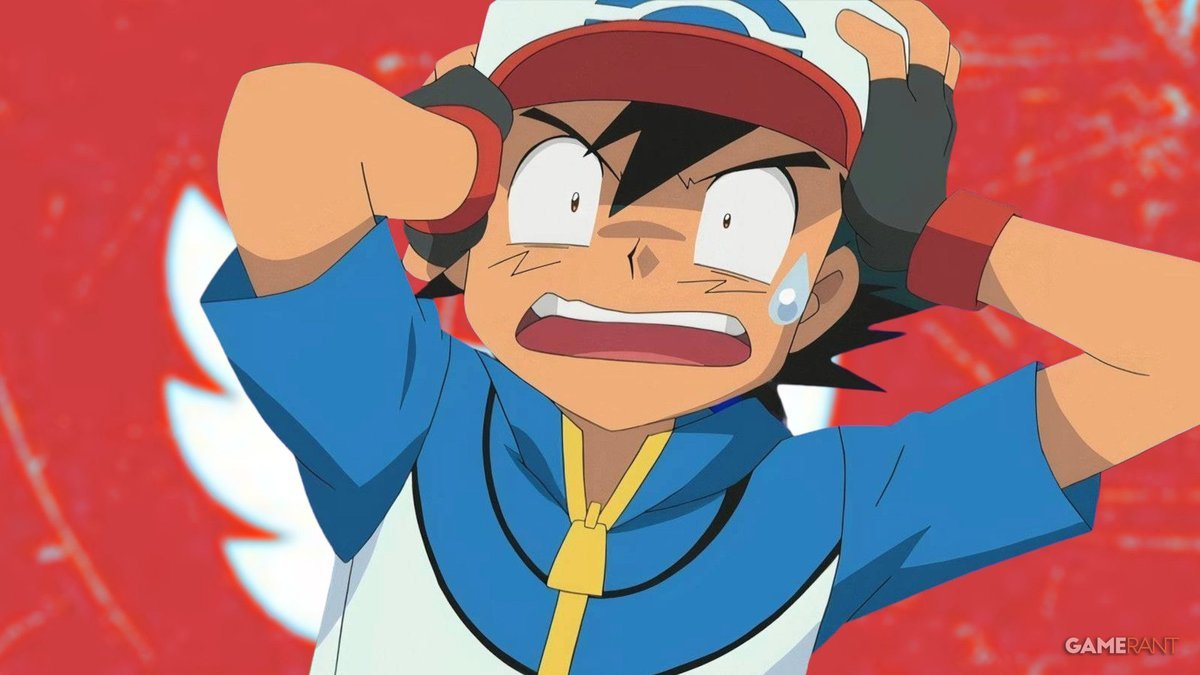
The official Pokémon account on X, formerly known as Twitter, was temporarily hijacked on the evening of August 27 to promote a fraudulent cryptocurrency scheme. The compromise lasted approximately 30 minutes before social media administrators regained control of the channel and purged the unauthorized material.
During the breach, the perpetrator published a message falsely claiming that a new initiative was launched to mark the upcoming 30th anniversary of the Pokémon franchise. The post advertised what was presented as an official Pokémon memecoin, including a specific crypto token address for trading the digital asset. To grant the publication an appearance of authenticity, the attacker also embedded a direct link to the genuine Pokémon website alongside the fraudulent crypto details.
Shortly after restoring security, the official account issued a statement acknowledging the cyber incident, confirming that access had been lost for half an hour, and apologizing to followers for the disruption. Both the initial scam post and the subsequent apology tweet were later removed from the account's timeline. Representatives clarified that the promoted digital currency is entirely illegitimate and shares no official affiliation with Pokémon or Nintendo.
The timing of the security breach coincided with a period of heightened fan engagement on social platforms. The incident took place on the eve of the Pokémon World Championships in San Francisco, an event running from August 28 to August 30. With fans worldwide gathering online to follow competitive updates and attendees traveling to California, the scam post was likely seen by a larger audience than usual.
Despite the intrusion, the intruder did not share malicious links designed to infect devices or harvest personal information, though anyone who attempted to purchase the memecoin risked financial loss. Cyber incidents affecting Pokémon social media pages have been infrequent in recent years. A notable prior incident occurred in 2016 when hackers breached the personal account of Niantic's chief executive, though that disruption involved complaints about the global release of Pokémon GO rather than a financial scam.
The event adds to a history of security issues involving Nintendo and its creative partners, which include previous compromises of Nintendo Network accounts and high-profile data leaks, such as the major cyberattack on developer Game Freak known as the Teraleak. Gaming enthusiasts are encouraged to exercise caution regarding unexpected promotions, noting that authentic franchise updates are routinely published across multiple official channels and web platforms simultaneously.
About the Author