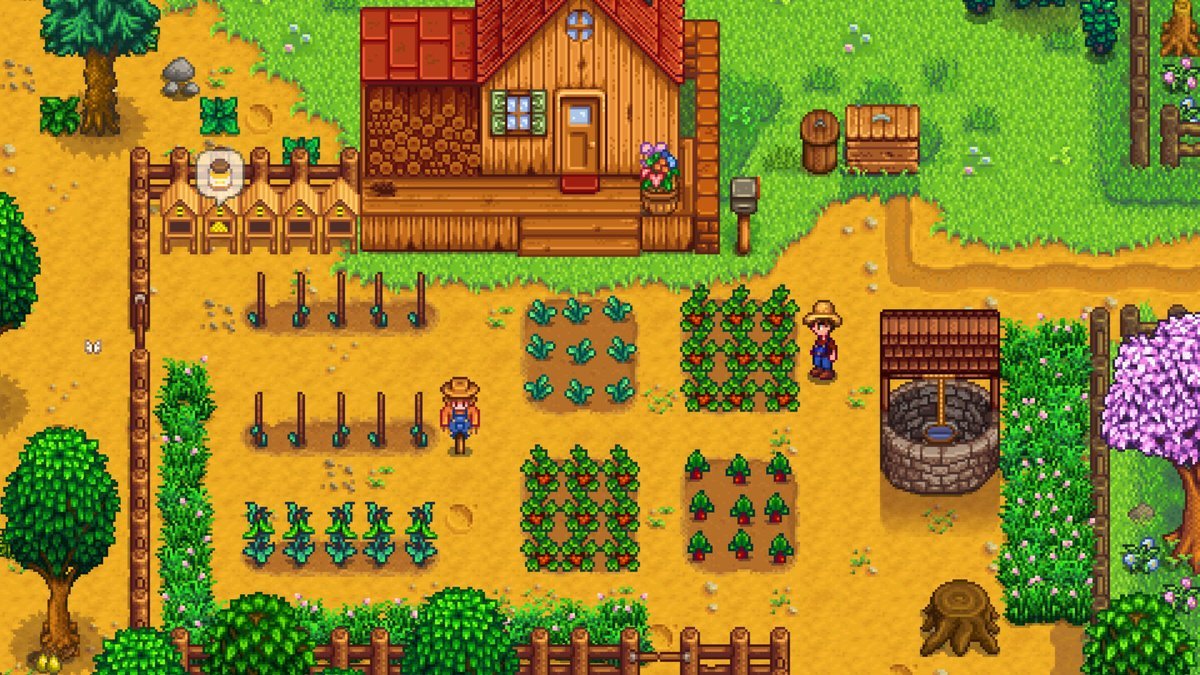
Stardew Valley remains one of the most beloved indie games, offering a blend of relaxation, adventure, and community engagement. With free updates regularly added and version 1.7 confirmed to be on the way, both newcomers and returning players have plenty of reasons to dive into Pelican Town. Whether you're just starting your first harvest or seeking to master every aspect of the game, understanding the core systems and progression paths will help you build an efficient farm and become a valued member of the community.
The first couple of seasons present a steeper learning curve than later years, but the game remains approachable for players of all skill levels. There is no single correct way to play—you can specialize in specific crops, raise animals, pursue fishing, explore mines, or mix and match activities to suit your playstyle. The key is understanding what systems are available and how to use them effectively.
Getting Started and Building Your Farm
When you arrive in the valley, your farm will look modest, but with effort and planning it will grow into a thriving operation. Early on, focus on establishing the basics: clearing your land, planting crops suited to the current season, and generating initial income. As you progress through your first year, you'll unlock new opportunities and gain access to better tools and resources.
Crop selection is fundamental to farm success. Each season has optimal crops that generate different levels of profit and require varying amounts of care. Learning which crops thrive in Spring, Summer, Fall, and Winter allows you to plan rotations and maximize your harvests. Beyond basic crops, you can eventually specialize in high-value ventures such as truffle oil production, vineyards, or tea leaf cultivation. Many players choose to diversify, growing a mix of seasonal crops while gradually building toward more specialized operations.
As your farm expands, you'll want to invest in farm buildings. Silos store hay for your animals during winter, while coops and barns house chickens, cows, and other livestock. Each building type serves a specific purpose, and planning your farm layout carefully ensures efficient movement and resource management. You can also customize your farmhouse with upgrades that add a kitchen and nursery, which are necessary for marriage and raising children.
Farming Specializations and Advanced Techniques
Once you've established a steady income, you can pursue specialized farming paths. Raising animals introduces a new income stream—chickens produce eggs, cows produce milk, and other animals offer unique products. Some animals, like blue chickens, void chickens, and golden chickens, are specialty variants with distinct characteristics and benefits. Understanding which animals suit your goals helps you allocate resources effectively.
Giant crops are an exciting late-game farming achievement. By planting crops in a 3×3 pattern and letting them mature fully, you have a chance for them to merge into a single giant crop that yields significantly more than normal harvests. Mahogany trees, found on Ginger Island, represent another specialized farming opportunity that opens up in post-game content.
Farm buildings themselves can be upgraded and customized. Every house renovation option adds functionality, from basic kitchen additions to nurseries for children. The farm cave presents an early choice: you can stock it with bats for fruit production or mushrooms for foraging. This decision shapes your farming strategy and should align with your long-term goals.
Machinery and specialized items amplify your productivity. Sprinklers automate watering, preserves jars and kegs process crops into higher-value products, and other machines streamline production. Understanding which machinery to prioritize and where to place it maximizes your farm's efficiency and profitability.
Skills Beyond Farming
Stardew Valley offers five core skill categories: farming, fishing, foraging, mining, and combat. Each skill levels up independently, unlocking new recipes, items, and abilities. Leveling skills makes life easier and opens new gameplay opportunities, so balancing skill development across multiple areas creates a well-rounded player.
Fishing presents a unique minigame that intimidates many newcomers. To fish, cast your line by pressing the use tool button, then press it again to set the power of your cast. After your bobber lands, wait for a bite—indicated by vibration, sound, or an exclamation mark. When you feel the bite, press the use tool button to hook the fish. The minigame requires you to keep a green bar aligned with a moving fish icon; pressing the button raises the bar, releasing it lowers it. When the fish stays inside the bar, a meter fills up. Successfully fill the meter to catch the fish. As your fishing skill increases, the green bar grows larger, making the minigame progressively easier. You can also attach tackle to your iridium rod to modify the minigame mechanics further.
Bait is essential for efficient fishing. Once you reach fishing level 3, you unlock the fiberglass rod and can attach bait. Select bait in your inventory and place it on your rod using the item use button. This eliminates the need to wait for random bites, allowing continuous fishing.
Mining and combat go hand in hand. The mines contain valuable ores, gems, and resources, but also dangerous monsters. Understanding which monsters pose the greatest threat and learning which weapons and meals provide the best combat benefits helps you survive deeper mine levels. The Adventurer's Guild serves as a hub for combat-related activities and quest rewards.
Foraging rounds out your skill options, allowing you to gather wild plants, mushrooms, and other items scattered throughout the valley. Different seasons yield different forage, and certain locations offer unique items unavailable elsewhere.
Romance, Marriage, and Community Life
Building relationships with the townspeople is central to Stardew Valley's social experience. There are six eligible bachelors and six bachelorettes available for romance. To pursue a relationship, talk to your chosen candidate regularly, give them gifts they enjoy, and complete favors for them. Reaching eight hearts of friendship allows you to purchase a bouquet from Pierre's General Store, which initiates a romantic relationship.
Continue leveling friendship to ten hearts, then prepare for marriage. You must fix the broken bridge at the beach (costing 300 wood) and upgrade your farmhouse at least once to include a kitchen. When it rains, visit the eastern beach to find the Old Mariner, who sells a Mermaid's Pendant for 5,000 gold. Give the pendant to your partner, and if all conditions are met, they'll accept your proposal. Your wedding occurs automatically three days later.
Having children requires a second farmhouse upgrade that includes a nursery with a crib. Each night after this upgrade, there's approximately a 5% chance your spouse will ask if you want children. If you agree, a child appears in the crib 14 days later and slowly grows over time, though they remain at the toddler stage permanently. You can have exactly two children—one boy and one girl. The gender of your first child is random, and your second child will always be the opposite gender.
Beyond romance, you can build friendships with all villagers. Attending annual events like the Festival of Ice, Night Market, and Feast of the Winter Star strengthens community bonds and provides unique seasonal experiences.
Exploring the Valley and Special Locations
Pelican Town and its surrounding areas contain numerous locations worth discovering. The Traveling Cart appears on Fridays and Sundays, offering rare items for purchase. The Shrine of Illusions and Shrine of Challenge provide unique gameplay modifiers. The Adventurer's Guild serves as a quest hub and weapon shop. The Desert Casino offers gambling opportunities, while the Movie Theater provides entertainment and relationship-building activities.
Special locations like the Secret Woods, accessible after obtaining a pickaxe, contain valuable resources and forage. Ginger Island, unlocked in post-game, is an entirely new area filled with tropical items, a mine dungeon, new characters, and extensive content. The Museum houses artifacts and minerals, and completing the collection yields rewards.
The Community Center stands as a major gameplay milestone. Completing bundles restores the center and earns substantial rewards, including access to the Junimo Hut and other benefits. Alternatively, you can side with JojaMart and pay for repairs directly, though this path is widely considered less rewarding and morally questionable within the game's narrative.
Late-Game Content and Endless Progression
Stardew Valley doesn't end after completing the Community Center or reaching maximum friendship with all villagers. You can play indefinitely, pursuing achievements like Grandpa's Evaluation, reaching 100% perfection, and unlocking the hardest achievements. Ginger Island content alone provides months of additional gameplay, including Qi's Walnut Room and challenging Qi Challenges that test your skills.
Winter deserves special attention as a season of opportunity. With outdoor crops unavailable, you can upgrade tools without losing productivity, construct farm buildings, level friendships, mine for resources, catch winter-specific fish like lingcod and sturgeon, and attend winter festivals. This season transforms your gameplay focus and prevents the game from feeling repetitive.
The modding community provides endless customization options. Stardew Valley Expanded is one of the most popular mods, adding new locations, characters, and marriage candidates. Installing mods on PC requires the SMAPI installer and accessing the Stardew Valley Nexus Mods page. Console players cannot use mods due to the lack of an in-game mod menu for approved mods.
Whether you're optimizing your farm for maximum profit, pursuing every achievement, exploring every location, or simply enjoying the relaxing pace of valley life, Stardew Valley offers something for everyone. The game's depth ensures that even after hundreds of hours, new discoveries and challenges await.
Related Articles
About the Author