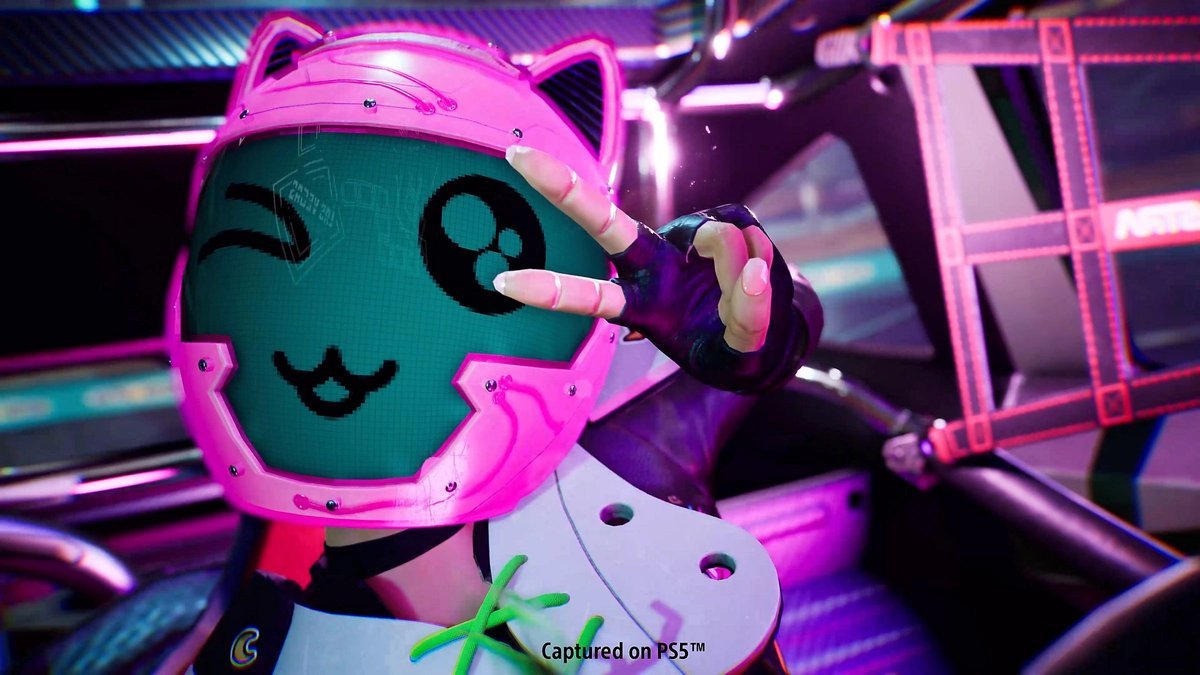
PlayStation's Destruction AllStars, a PS5 exclusive that launched in February 2021, will officially shut down on November 25, 2026. The racing game developed by Lucid Games using Unreal Engine 4 represents another casualty in Sony's troubled live service strategy. Server support will end at 3 pm UTC, which translates to 10 am EST, leaving players with only a narrow window to access the game one final time before it becomes largely unplayable.
The studio delisted Destruction AllStars from digital storefronts in May 2026 and simultaneously removed its virtual currency from circulation. At that time, PlayStation announced it would grant players a grace period to continue playing offline before pulling the plug entirely. That extended window is now closing, and anyone who invested time in the title faces the imminent loss of access to most of its features.
A Broken Game Left Unrepaired
The shutdown comes after years of technical neglect. Destruction AllStars had been plagued by multiplayer issues for approximately two years before PlayStation formally ended support. When the company announced the game's closure and immediately took multiplayer services offline, it cited ongoing technical problems as the reason. The exact nature of PlayStation's efforts to fix these issues remains unclear—whether the developer actively attempted repairs without success or simply abandoned the game due to low player engagement is unknown and may never be disclosed.
The single-player arcade challenges mode may theoretically remain accessible after shutdown, though PlayStation's own statement hedged this possibility with cautious language. With server infrastructure being dismantled entirely, any technical failure in the remaining features would go unfixed, making long-term playability uncertain at best. Players who still hold virtual currency have been advised to spend it immediately, as all unspent balance will vanish when the servers close.
A Footnote in Sony's Live Service Failures
Destruction AllStars survived five years as a live service title, a duration that masks its fundamental failure to maintain player interest or technical stability. The game represents one of several casualties from PlayStation's aggressive push into live service gaming, a strategy that has yielded disappointing results across multiple projects. While Destruction AllStars will likely remain a minor entry in gaming history, other high-profile cancellations have drawn far greater attention and scrutiny.

Concord's abrupt cancellation and the shutdown of Naughty Dog's The Last of Us Online stand as more prominent examples of Sony's missteps in the live service space. These more visible failures have prompted broader industry conversation about the viability of such games. Had Destruction AllStars been a more prominent release with a larger player base, its immediate collapse might have forced PlayStation to reconsider its entire live service approach much earlier, potentially preventing the subsequent layoffs and studio closures that followed the company's strategic pivot.
The game's shutdown marks the end of an experiment that never truly gained traction. Destruction AllStars was built as an online multiplayer racing title with cooperative features, but it failed to build or maintain an audience sufficient to justify continued investment. Its journey from launch to closure illustrates the risks publishers face when committing resources to live service games that fail to resonate with players, and serves as a cautionary tale for the industry's ongoing fascination with games designed around continuous monetization and online connectivity.
Related Articles
About the Author