While recent anime releases have captured massive global audiences, several prominent modern titles risk losing their popularity over the next five years. Changes in viewer expectations, reliance on repetitive tropes, controversial storytelling choices, and technical failures threaten the long-term status of many current fan favorites.
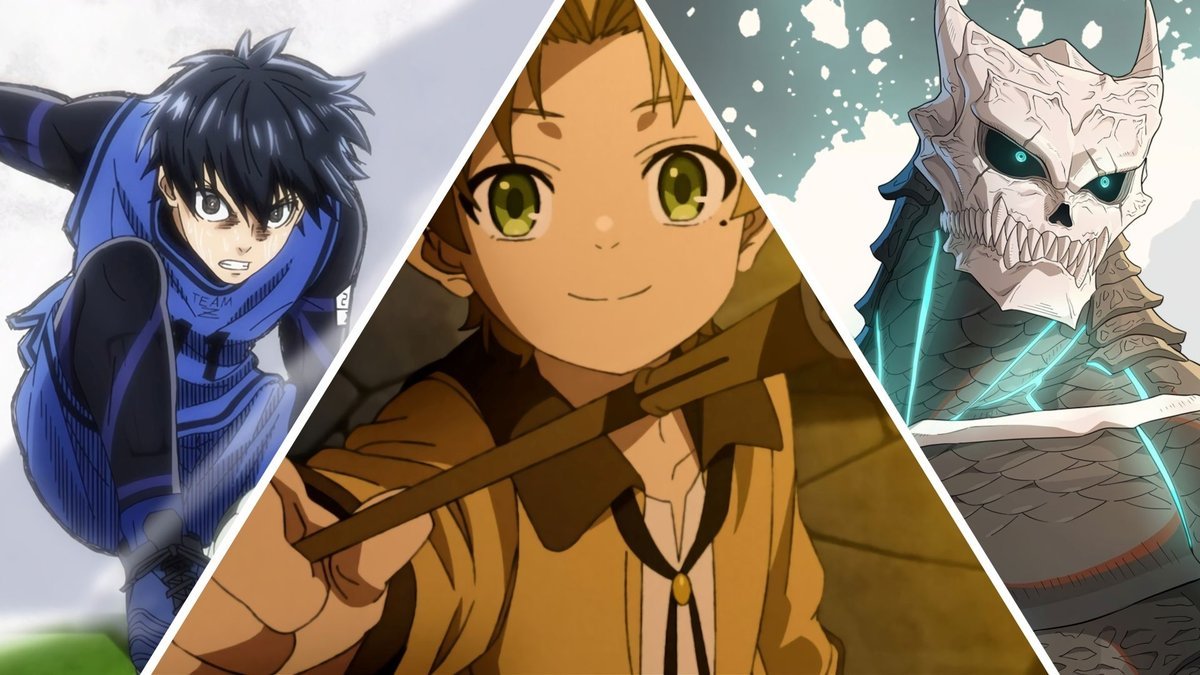
A significant number of fantasy and isekai releases face potential pushback due to uncomfortable narrative choices. Series such as Mushoku Tensei: Jobless Reincarnation have drawn criticism for problematic character behaviors, large mental age disparities in central relationships, and controversial family themes. Similarly, The Rising of the Shield Hero suffered a decline in audience favor following its early success, largely due to divisive character dynamics and themes involving slavery. Meanwhile, the dark fantasy Re: Monster faces scrutiny for attempting to mix graphic subject matter, such as sexual assault and kidnapping, with inappropriate comedic reactions.
Satirical and comedy-focused series also risk short lifespans as structural gimmicks lose novelty. The Eminence in Shadow satirizes common genre clichés, yet its unpredictable shifts between serious drama and comedy leave some viewers dissatisfied, while its parodies may grow irrelevant as trend cycles evolve. Likewise, Mashle: Magic and Muscle offers social commentary beneath its magical school setting, but its heavy reliance on non-stop humor and conventional battle shonen tropes has led to diminishing cultural discussions.
Other high-profile franchises struggle against trope fatigue or overly light plotlines. Solo Leveling gained popularity as an ultimate power fantasy starring Sung Jin-Woo, but growing audience exhaustion with invincible protagonists could stall its future momentum. Similarly, Demon Slayer has achieved historic acclaim primarily through its industry-leading visual animation, leaving critics to question whether its straightforward narrative and core character arcs can sustain its legacy long term.
Finally, topical themes, waning excitement, and production flaws threaten the longevity of other notable hits. Oshi no Ko risks feeling dated as Japanese idol culture shifts over time, while also alienating viewers with divisive romantic undertones. Action hits like Kaiju No. 8 are experiencing a gradual drop in online discussion following initial debuts, while the sports series Blue Lock suffered severe reputational damage due to a heavily criticized second season plagued by poor animation quality.
About the Author