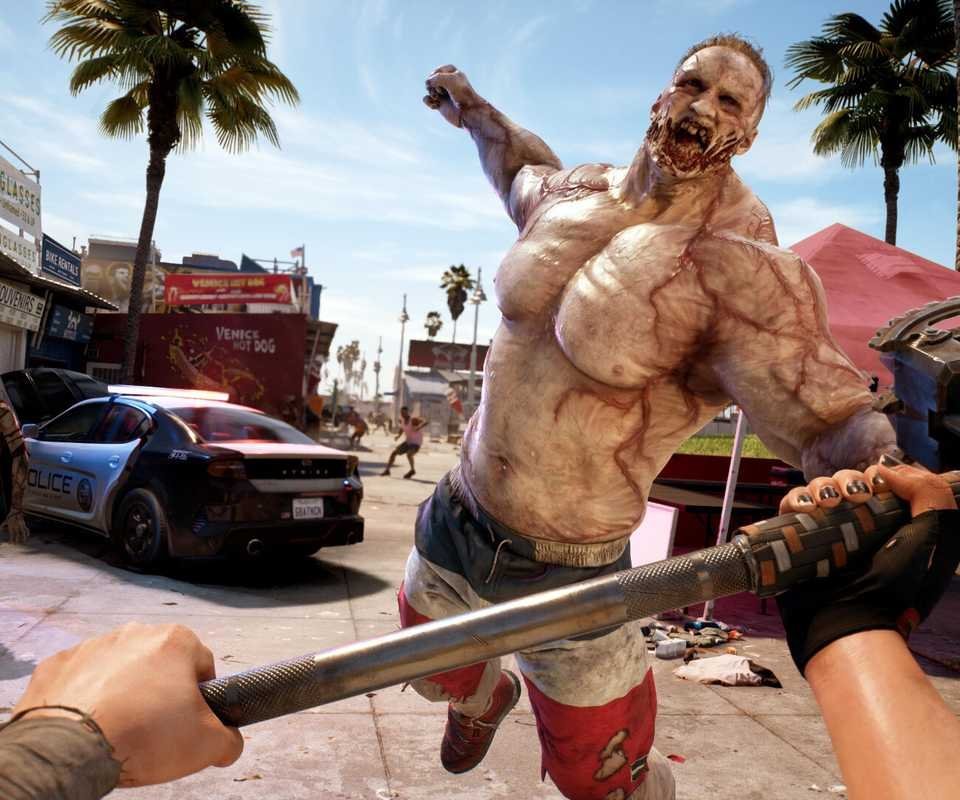
PlayStation Plus Essential subscribers can now download November 2026's free games, a selection headlined by Dead Island 2 alongside Monster Train 2 and a remastered Tomb Raider trilogy collection. The inclusion of Dead Island 2 has sparked frustration among higher-tier subscribers, who view the decision as a cynical reuse of content they already had access to at a premium price point.
Dead Island 2 spent nearly two years in the PS Plus Extra catalog, arriving in October 2024 and departing in August 2026. Just three months after leaving that tier, it now appears in the Essential tier—a move that many subscribers see as wasteful and devaluing to the service's paid tiers. The frustration centers on the fact that a significant portion of Extra subscribers likely already played the game during its lengthy tenure in that catalog.
The Double-Dipping Pattern
This is far from an isolated incident. PlayStation has repeatedly cycled games between its Extra and Essential tiers, creating a pattern that benefits casual players while alienating those paying for premium access. Stray, Little Nightmares, It Takes Two, Borderlands 3, Ghostwire: Tokyo, and Monster Hunter Rise have all made the journey from Extra down to Essential after their initial runs in the higher tier.
The most egregious example remains Grand Theft Auto 5, which has appeared on PS Plus three separate times. Its first Extra run began in December 2023 and ended mid-2024. The game returned in November 2024 before departing again in mid-2025. Like clockwork, it arrived once more on November 15, 2025, with its current run ending on November 17, 2026—conveniently timed just before the launch of Grand Theft Auto 6. While some subscribers complained about the constant shuffling, the criticism remained muted compared to other PlayStation controversies, possibly because Extra receives roughly six new games monthly, diluting the impact of any single repeat.
Why This Strategy Exists

The reasons behind Sony's recycling strategy remain unclear. One possibility is that re-securing rights to previously licensed games costs less than acquiring entirely new titles. Another factor could be reduced bureaucratic friction when working with studios that have already navigated the PS Plus onboarding process. A third explanation targets the casual audience: Essential subscribers, who may pay little attention to what happens in higher tiers, could genuinely excite at a major release arriving at their level, regardless of its prior availability elsewhere.
Dead Island 2 itself represents a quality title worthy of the Essential tier. The zombie co-op game emerged surprisingly strong after a troubled development cycle that saw it pass between multiple developers before Dambuster Studios brought it to completion. The game's successful launch bodes well for the planned Dead Island 3, and offering it to Essential subscribers could introduce the franchise to a significantly larger audience than the Extra tier alone would provide.
The Cost to Premium Subscribers
However, quality does not excuse the strategy's impact on paying subscribers. For those who invested in Extra specifically to access new AAA releases, watching those games migrate downward to the free tier feels like a betrayal of the value proposition they purchased. More critically, the November Essential lineup wastes one of its premium slots on a title that occupied Extra's catalog for nearly two years—long enough for most interested players to have already experienced it.
The opportunity cost is substantial. PlayStation could have used that slot to introduce an entirely new game to the service, expanding the overall catalog and rewarding subscribers across all tiers with fresh content. Instead, the decision to repurpose Dead Island 2 suggests that either securing new licenses has become prohibitively expensive or that PlayStation views recycling as an acceptable shortcut.
A Broader Pattern of Concern
The Dead Island 2 situation reflects a larger trend that, while not yet reaching crisis levels, signals a potential decline in PS Plus value. A few games have traveled the opposite direction—Slay the Spire and LEGO Horizon Adventures began as Essential offerings before moving to Extra—but these exceptions do not offset the dominant flow of premium content trickling down to the free tier.
Subscriber pushback on Dead Island 2's inclusion has been vocal in forums and social media, but it remains far below the intensity of recent PlayStation controversies, particularly the company's decision to discontinue physical media for future PS5 releases. That disparity suggests the company may not face sufficient pressure to alter its approach. If complaints remain contained to niche communities, Sony has little incentive to stop recycling games between tiers.
Looking Forward
Unless subscriber resistance intensifies significantly, this pattern will likely continue. The economics of the strategy—whether driven by licensing costs, development relationships, or audience psychology—appear sound enough from Sony's perspective to justify repeated use. Dead Island 2 is unlikely to be the last game to make this journey, and future Essential lineups may increasingly feature titles that recently departed from Extra.
The November 2026 Essential lineup remains respectable on its own merits, with Monster Train 2 and the Tomb Raider collection offering genuine value to new subscribers. But for those who maintained Extra subscriptions specifically to access premium releases, the month exemplifies a growing concern: that the service's tiers are converging rather than differentiating, and that paying more no longer guarantees access to content before it reaches the free tier.
Related Articles
About the Author