Nintendo's decision to bring GameCube games to Switch Online with the Expansion Pack has sparked conversation about which other classic systems might follow. The Wii stands out as an obvious candidate, boasting a substantial library of memorable titles that many players have not experienced in years. Adding Wii support to the service would give fans a chance to rediscover overlooked gems and introduce a new generation to the console's most compelling offerings.
The Wii's catalog extends far beyond first-party Nintendo releases, featuring standout titles from publishers and developers across the industry. While some of these games remain accessible through other means, many have become difficult to find or play on modern hardware. A selection of 12 particularly worthy titles demonstrates why Wii integration would strengthen Switch Online's value proposition.
Early Wii Standouts
Excite Truck launched on November 19, 2006, as an arcade-style racing spinoff developed by Monster Games, a studio known for the NASCAR Heat series and frequent Nintendo collaborations. The game tasked players with controlling pickup trucks through vibrant global environments, using nitrous boosts to launch from hills and catch air. The dynamic terrain shifted during races, maintaining constant momentum and excitement for all participants. A sequel, Excitebots: Trick Racing, arrived in 2009 with a heavier emphasis on airborne stunts, but the franchise subsequently vanished. Bringing Excite Truck to Switch Online would preserve this underrated series and potentially spark interest in a modern revival.
Elebits, released December 2, 2006, arrived early in the Wii's lifecycle and represented one of the system's most innovative titles. Known as Eledees in Australia and Europe, the game employed a first-person perspective reminiscent of shooters but focused on searching homes and other intimate spaces for miniature creatures resembling Pikmin's mischievous inhabitants. Rather than combat, the core loop involved rearranging furniture to locate hidden elebits while absorbing their energy to unlock new environmental manipulation options. The gameplay proved so absorbing that players could lose track of time entirely. This quiet gem would find new life on Switch Online.
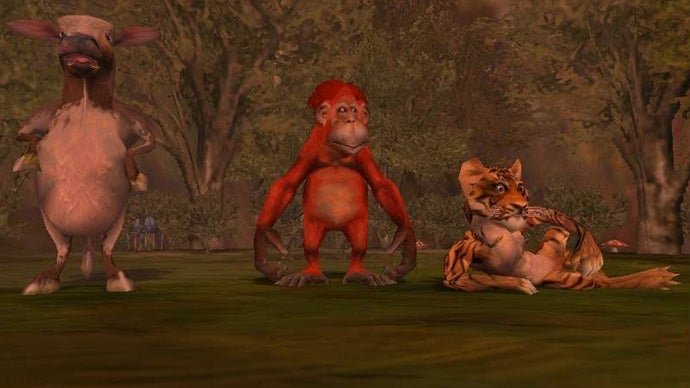
The Dog Island, released April 26, 2007, came from developer Yuke's, a studio primarily known for wrestling and fighting games. This canine-focused adventure represented the third entry in its series but the first published outside Japan. Players selected a dog breed and guided their puppy through cozy environments populated by minor threats that could be scared away with high-pitched barks. The art style created a soothing atmosphere while offering challenges appealing to players across age groups, particularly younger audiences. Despite its charm and surprising depth, the game remains largely forgotten and deserves renewed attention.
Mid-Era Gems
Little King's Story launched April 22, 2009, developed by Cing in collaboration with Town Factory. This real-time strategy title cast players as a cartoon monarch exploring his kingdom to gain wealth and territory. The king battled monsters and completed tasks for his subjects, gradually accumulating resources as his domain expanded. Cing built its reputation on adventure titles, and Little King's Story stands among its most acclaimed works. Though a Steam port exists courtesy of publisher Xseed Games, the title remains underrepresented on console platforms and would make a compelling Switch Online addition.
Muramasa: The Demon Blade, released April 9, 2009, came from Vanillaware, the studio behind Unicorn Overlord. This action RPG featured beautifully rendered environments and deceptively simple controls paired with challenging combat. The game launched as a Wii exclusive before a remastered version, Muramasa Rebirth, arrived on PlayStation Vita years later. While some players found the experience repetitive over extended play sessions, the artistry remained undeniable. A new entry, Muramasa: Revenant Blades, is scheduled for February 2027, making the original version's availability increasingly relevant for interested Nintendo fans.
Punch-Out!!, released May 18, 2009, marked the last dedicated game for Little Mac, Nintendo's scrappy boxer. The title pitted the protagonist against familiar opponents including Glass Joe, King Hippo, and Super Macho Man, delivering fast and satisfying action that honored the NES classic Mike Tyson's Punch-Out!!. Since then, Little Mac has appeared primarily in Super Smash Bros. entries rather than starring in his own adventures. Bringing Punch-Out!! to Switch Online would give players another chance to experience this overlooked entry in the character's history.
Dokapon Kingdom, released July 31, 2008, offered lighthearted multiplayer chaos in a fantasy world inspired by Dragon Quest. Players moved across sprawling boards, battling monsters to build levels and capture cities while occasionally dueling rivals. Losing a duel could result in cosmetic penalties like unwanted hairstyles, adding humor to the competitive experience. Publisher Atlus humorously warned that the game might damage friendships through its unpredictable outcomes. A remastered version, Dokapon Kingdom: Connect, arrived on PC and Switch in 2023, but the original would thrive within Switch Online's existing multiplayer ecosystem.
Later Releases and Overlooked Titles
Down of Discovery, released May 22, 2009, brought an accessible city-building experience to Wii audiences. Known as Anno: Create a New World outside North America and Anno 1404 on PC, the game was ported by Keen Games with simplified interfaces and visuals tailored for console play. Despite these adjustments, the core gameplay loop remained compelling, encouraging extended play sessions similar to SimCity. The Wii version handled the necessary scale more effectively than a concurrent DS release, yet Ubisoft never followed it with sequels, suggesting modest sales performance. Nevertheless, the game would welcome addition to Switch Online's library.
The Last Story, released January 27, 2011, nearly never reached North America until Operation Rainfall, a fan campaign, generated sufficient noise to change Nintendo's decision. Developed by Mistwalker, the studio behind Lost Odyssey and Blue Dragon, this action-RPG was ultimately published by Xseed Games after Nintendo declined the opportunity. While critical reception proved generally positive, opinions remained divided, with even supporters acknowledging minor flaws preventing the game from reaching its full potential. Innovative combat, stirring music, and a deep narrative kept players engaged, and director Hironobu Sakaguchi, best known as Final Fantasy's creator, brought considerable talent to the project. A new generation would likely appreciate this underrated work.
Fortune Street, released December 1, 2011, represented the first opportunity for many North American players to experience the Itadaki Street franchise in English. Known as Itadaki Street in Japan, the series traces its roots to the Famicom era. This Wii entry combined Nintendo and Dragon Quest characters competing on boards to amass fortunes, resembling Monopoly in structure while offering more vibrant presentation. Landing on rival spaces could devastate a player's position, creating dramatic swings in fortune. Despite featuring beloved characters, the game apparently struggled to find a western audience, with retailers stocking surplus copies for years. Switch Online could provide the game a second chance with a subscription-based audience.
Fortune Street and similar titles demonstrate how subscription services can revitalize games that initially underperformed commercially. Players already paying for Switch Online access might discover titles they missed or overlooked during the Wii's original lifecycle. The service's growing library continues to expand, and Wii integration would substantially increase its appeal to players seeking access to the console's most memorable experiences.
Related Articles
About the Author