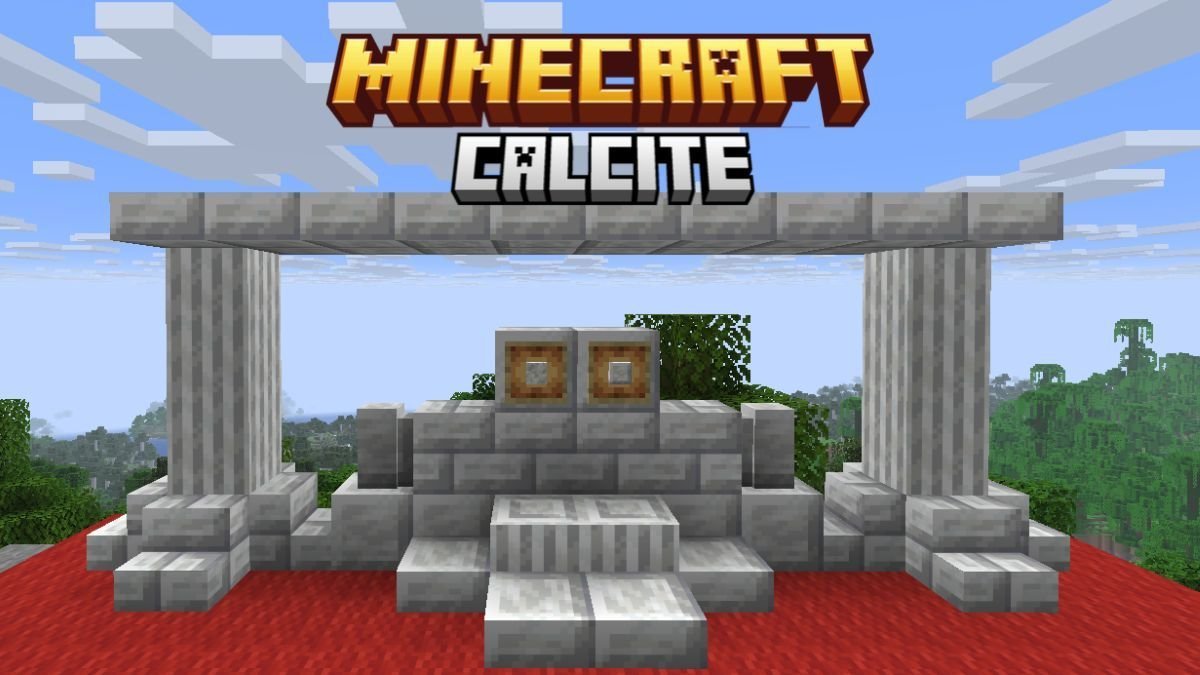
Calcite is a decorative mineral block in Minecraft that brings an elegant, marble-like aesthetic to player creations. Its bright white texture makes it ideal for Greek-inspired architecture, modern houses, and contemporary builds. Understanding where to locate Calcite and how to transform it into various architectural forms will help you elevate your base design significantly.
Where to Find Calcite
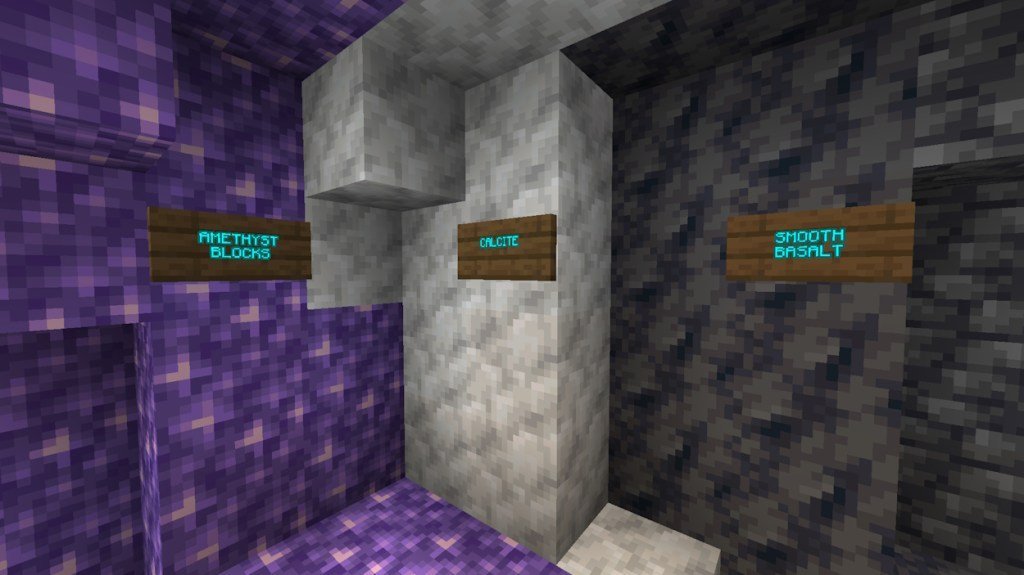
Calcite generates naturally in specific biomes throughout the Minecraft world. The most reliable locations are within Amethyst Geodes, where the block appears as part of the geode structure, and in Stony Peaks biomes, which feature rocky terrain and mountainous landscapes. With the upcoming Minecraft 26.4 winter update, players will gain access to an additional source: Ice Caves, a new underground biome that will contain Calcite deposits alongside other winter-themed blocks and features.
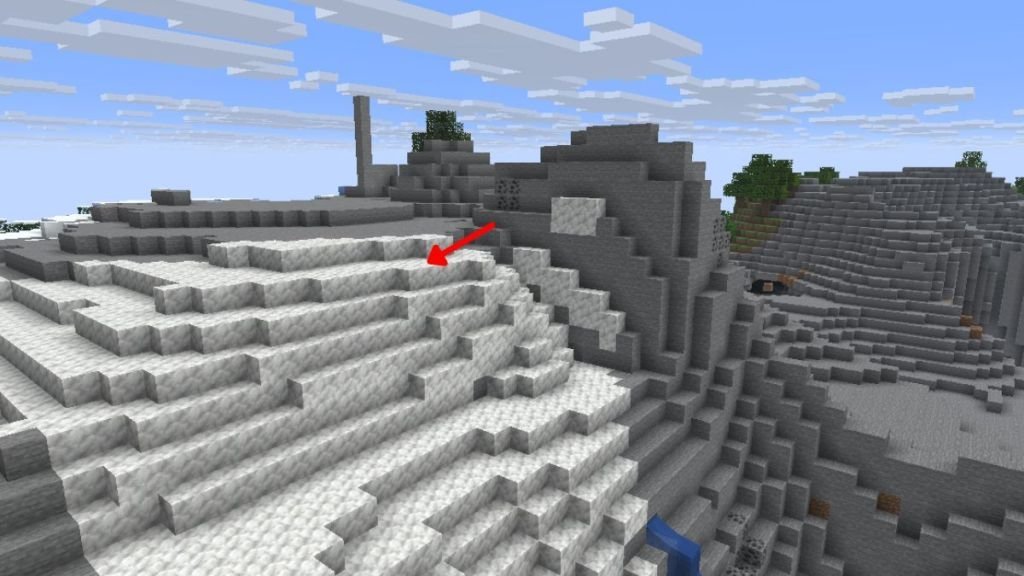
These three locations provide ample opportunity to gather Calcite for building projects. Amethyst Geodes are particularly rich sources, as they contain multiple Calcite blocks alongside amethyst crystals and other valuable materials. Stony Peaks biomes offer Calcite in more dispersed quantities, making them suitable for players who prefer exploring mountainous terrain.
Mining and Collecting Calcite
Once you locate Calcite, extracting it requires the right tool. Any pickaxe will successfully mine Calcite blocks, regardless of the pickaxe's material tier—wooden, stone, iron, diamond, or netherite pickaxes all work equally well. This accessibility means you can begin harvesting Calcite early in your survival playthrough without needing advanced equipment.
It is crucial to use a pickaxe rather than mining by hand. Breaking Calcite with your bare hands will destroy the block entirely, yielding no collectible resource. The Silk Touch enchantment, which preserves block textures and prevents certain blocks from dropping resources, is not required for Calcite. Simply equip any pickaxe, strike the Calcite block, and collect the dropped item to add it to your inventory.
Basic Calcite Block Variants
Beyond its use as a simple decorative block, Calcite can be transformed into multiple architectural variants through crafting. The upcoming winter update will introduce Calcite Pillars, Slabs, Stairs, and Walls, each serving distinct building purposes. These variants are crafted on a standard 3×3 Crafting Table grid using specific arrangements of Calcite blocks.
Calcite Pillars are created by stacking two Calcite blocks vertically on top of one another. Calcite Slabs, which are half-height blocks ideal for layered designs and flooring, require three Calcite blocks arranged in a single horizontal row. Calcite Stairs demand a more complex arrangement: place three blocks in the first column, two blocks in the third row, and one block at the center position to form the stair pattern.
Calcite Walls are constructed by placing six Calcite blocks across two adjacent rows of the crafting grid. These walls provide decorative barriers and structural elements for your builds. For players concerned about resource efficiency, the Stonecutter tool offers an alternative method to produce all these variants, potentially yielding more blocks from the same amount of raw Calcite.
Polished Calcite and Its Variants
Polished Calcite represents a refined version of standard Calcite, featuring a smooth, even texture rather than the uneven surface of raw Calcite. This polished variant excels in modern architecture, marble-inspired flooring, elegant hallways, and bright interior spaces. Creating Polished Calcite is straightforward: arrange four Calcite blocks in a 2×2 square on your Crafting Table to produce one Polished Calcite block.
Once you have Polished Calcite blocks, you can process them further using the Stonecutter to create three additional variants. Polished Calcite Slabs work exceptionally well for flooring, platforms, and layered structures within your base. Polished Calcite Stairs provide elegant staircases and refined entrances that complement modern architectural styles. Polished Calcite Walls serve as decorative barriers and fit seamlessly into contemporary building designs.
Polished Calcite Bricks
Polished Calcite Bricks represent the most ornate variant in the Calcite family, featuring a distinctive brick pattern that differs from the smooth appearance of Polished Calcite. This textured pattern allows builders to achieve an architectural, structured aesthetic in their creations. To craft Polished Calcite Bricks, arrange four Polished Calcite blocks in a 2×2 configuration on your Crafting Table, yielding one brick block per craft.
Like other Calcite variants, Polished Calcite Bricks can be processed through the Stonecutter to create three additional forms. Polished Calcite Brick Slabs are useful for constructing floors and layered structures throughout your base. Polished Calcite Brick Stairs enable the creation of grand staircases and impressive entrances that showcase architectural detail. Polished Calcite Brick Walls work exceptionally well for castle walls, interior partitions, and decorative boundaries that define spaces within your build.
Building Applications and Design Ideas
Calcite and its variants serve primarily as decorative blocks that expand the available building materials for creative players. The bright white texture of Calcite complements modern architecture particularly well, pairing effectively with balconies and interior spaces. For striking visual contrast, combine Calcite blocks with Polished Deepslate and Blackstone, creating an Ebony and Ivory aesthetic that draws the eye and adds sophistication to your structures.
Beyond traditional building, Calcite blocks interact with the Sulfur Cube, a game mechanic that grants special properties to these structures. Feeding any Calcite block variant to a Sulfur Cube will grant it the slow, bouncy archetype, adding functional gameplay elements to your decorative builds. This integration of aesthetics and mechanics makes Calcite a versatile choice for players seeking both visual appeal and interactive features in their creations.
Related Articles
About the Author