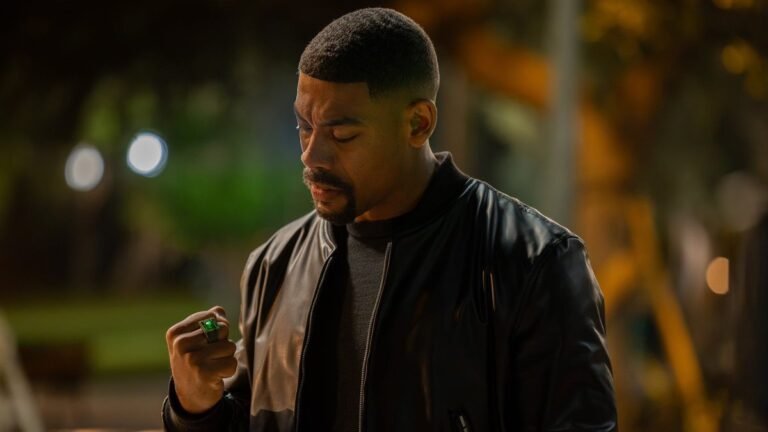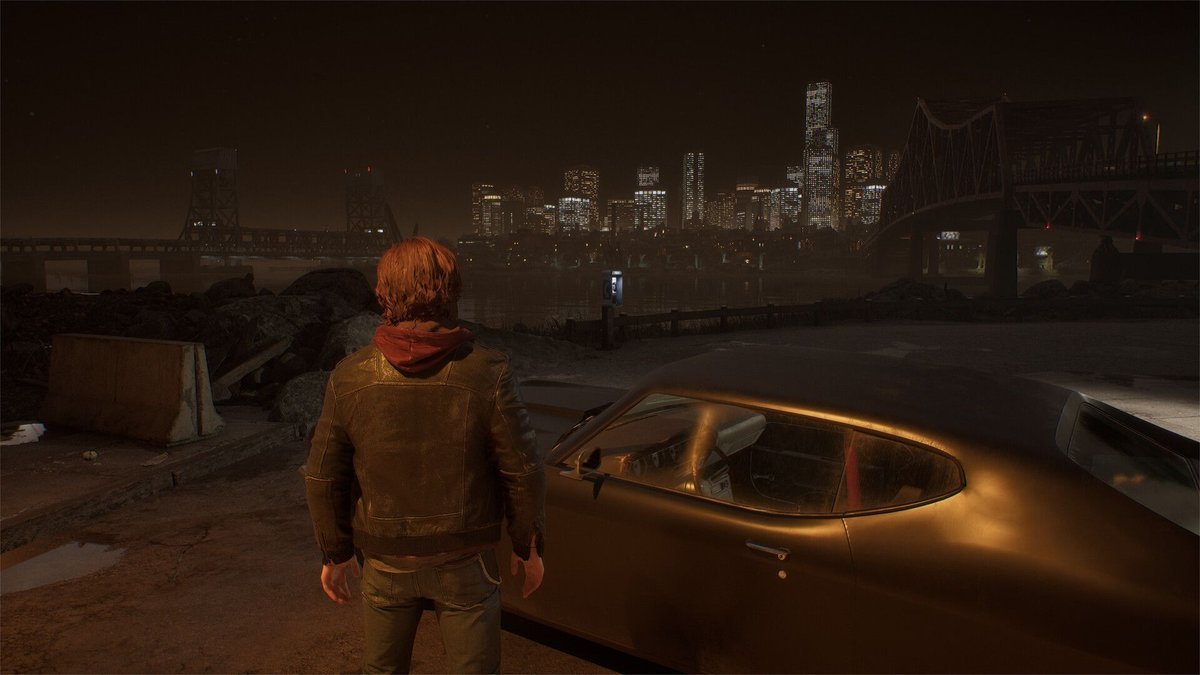
Liquid Swords, the independent studio behind the action game Samson, has filed for bankruptcy, marking a dramatic collapse for a developer founded by industry veterans with a mission to reform game development culture. The studio's struggles follow a rough launch and critical reception that has drawn comparisons to other high-profile indie failures this year. Nearly 30 employees are expected to receive state support while a court-appointed trustee searches for a potential buyer.
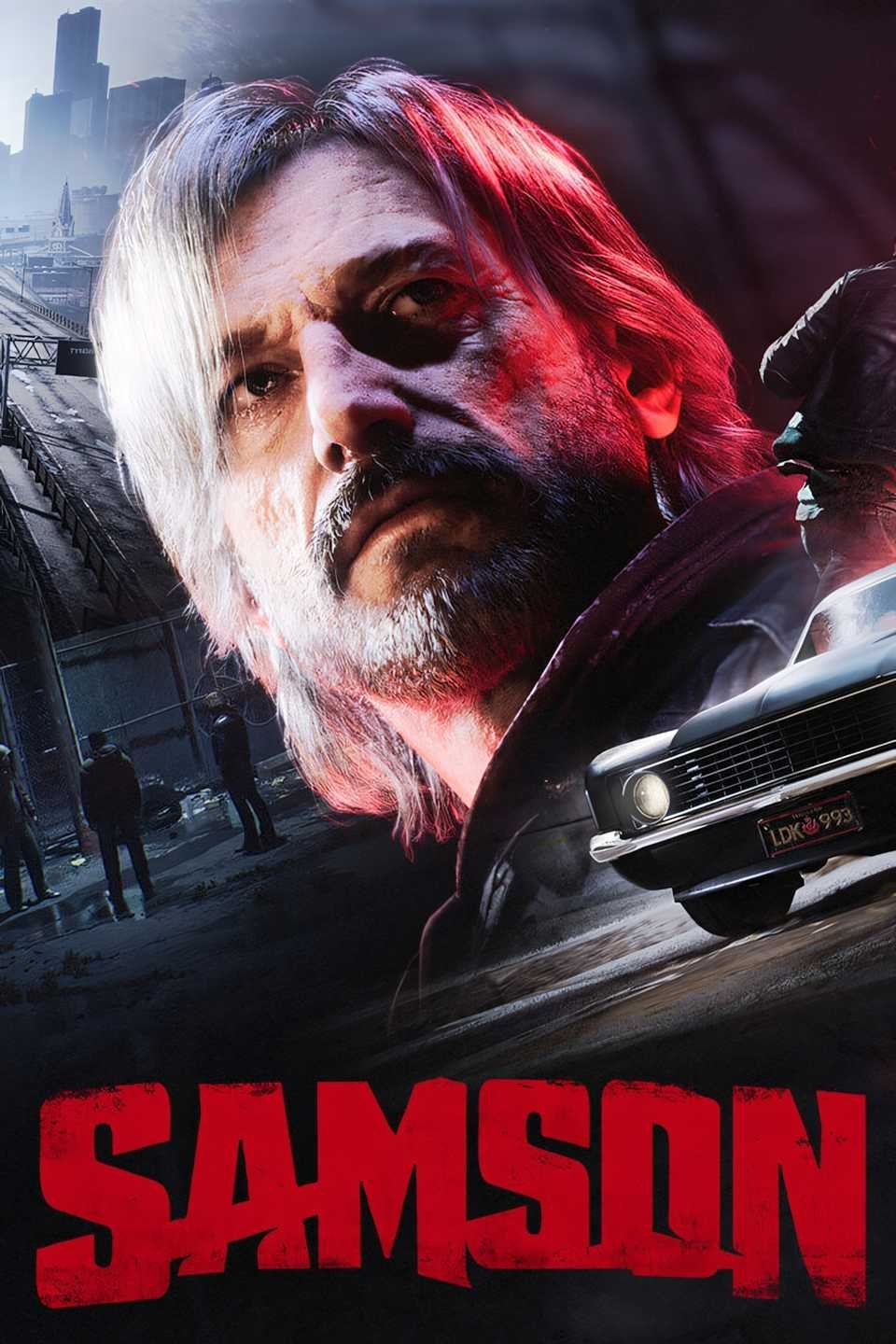
Samson launched in April 2026 at a budget price of $24.99, initially presenting itself as a polished AA-tier experience. The game showed promise early on, and some players noted improvements after patches and a 50 percent discount sale, with one Steam reviewer praising the combat feel and performance. However, that initial goodwill could not sustain the studio through mounting financial pressures.
A Studio Built On Better Ideals
Liquid Swords was founded in 2020 by developers who had previously worked on the Just Cause franchise, including Avalanche Studios' co-founder. The collective was built around a philosophy of eliminating crunch culture and unnecessary meetings to achieve what the team called "zero-nonsense game development." The studio's founding represented an attempt to prove that a different approach to development could succeed in an industry known for unsustainable working conditions.
Internally, however, financial troubles had been mounting for months before the bankruptcy filing. Employees went unpaid for extended periods, leaving staff in limbo as leadership attempted to keep the company afloat. The severity of these conditions underscores how quickly even well-intentioned studios can face collapse when market conditions turn unfavorable.
Uncertain Future For Game And Team
The bankruptcy filing means Samson will likely remain Liquid Swords' only release. The latest patch arrived on October 9th, and the trustee overseeing the case has expressed hope that a buyer might emerge to continue development and support. However, there is no guarantee that either the game or any planned updates will receive further backing beyond that final patch.
For a team assembled from experienced industry professionals with a compelling vision for reform, the sudden collapse serves as a sobering reminder of how precarious mid-sized studios remain, even with recognizable leadership and a strong pitch. The volatility of the independent development space has claimed another studio, and whether the talent behind Samson finds work elsewhere now depends entirely on whether a buyer sees value in acquiring the company and its assets.
Related Articles
About the Author