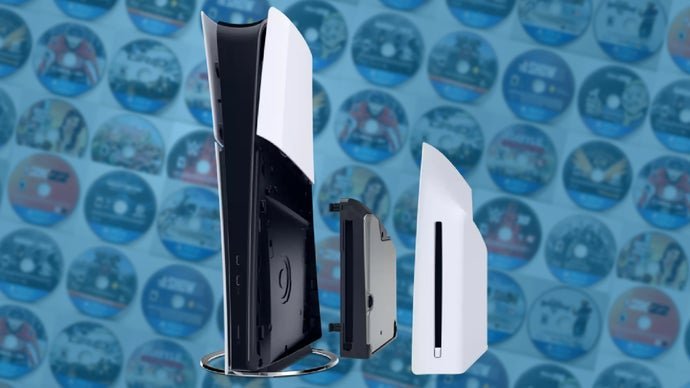
Sony has clarified recent misunderstandings regarding its game manufacturing plans, confirming that its PlayStation disc output is projected to decrease by 10 percent in 2028 rather than collapsing by 90 percent.
The clarification follows widespread reports suggesting that physical media manufacturing would be cut to just a fraction of its current volume. A representative for Sony Digital Audio Disc Corporation (DADC) explained that executive Dietmar Tanzer’s prior remarks to an Austrian broadcaster were misconstrued. While Sony previously revealed plans to cease pressing physical discs for brand-new releases starting in January 2028, ongoing reorders for existing games will remain unaffected. Unlike competitors such as Microsoft, which utilizes certified third-party facilities, Sony handles all media replication internally through DADC.
Industry observers note that phase-outs of physical software benefit console makers financially. According to Niko Partners analyst Daniel Ahmad, eliminating retail discs removes the second-hand market and channels purchase activity directly into the PlayStation Store. This transition allows Sony to retain significantly higher profit margins on digital software sales compared to traditional physical retail transactions.
Former Sony Interactive Entertainment Worldwide Studios chairman Shawn Layden voiced concern over the industry's digital push. Layden remarked that losing physical options diminishes player culture, drawing comparisons to older media formats like vinyl and cassette tapes that survived initial predictions of their demise. He emphasized that game collecting—including boxed releases, steelbooks, and physical bonuses—remains a fundamental component of the gaming community's identity.
Layden also warned against treating operational decisions purely as financial equations. He suggested that while shifting to digital models yields clear short-term margins, companies must weigh those gains against potential damage to brand goodwill. Transitioning consumers from genuine media ownership to mere licensing agreements, he noted, risks alienating loyal audiences who value physical collections.
Indie publisher iam8bit expressed interest in continuing physical PlayStation releases, while potential independent suppliers like Memphis-based Conectiv Supply Chain Solutions could offer alternative options. Meanwhile, player frustration over the digital shift surfaced during a recent PlayStation State of Play livestream, where viewers flooded chat channels with protest messages. This backlash coincides with broader fan dissatisfaction concerning major support cuts for Destiny 2 and recent restructuring at developer Bungie.
Related Articles
About the Author