The games industry is entering a phase where developers are beginning to actively market their work as human-made, according to Gareth Damian Martin, the creator behind Citizen Sleeper. Speaking about the shift during an interview focused on their upcoming project Signet City, Martin expressed confidence that this counter-movement is already underway. The trend reflects growing concern about generative AI saturation in game development and a desire to differentiate genuinely authored work from algorithmically generated content.
Evidence of this shift is already visible across digital platforms. Steam has seen an uptick in AI disclosure labels for games being sold on the storefront, while YouTube content creators have begun adding "No AI" badges to their videos in an effort to stand out amid the flood of AI-generated material. Steam has even begun hosting dedicated events celebrating games developed without any AI involvement whatsoever, signalling a clear market response to the proliferation of machine-generated content.
The appeal of human creativity
Martin believes the most positive outcome of widespread AI adoption in games could be a cultural rebound that causes people to value and cherish human-made work more deeply. This perspective was reinforced during a brief period studying art before developing Signet City. While examining a Rembrandt sketch, Martin noticed that the artist had scribbled out certain faces, presumably dissatisfied with the execution. These imperfect marks, rather than diminishing the work, revealed something essential: the humanity and intentionality of the creator behind the piece.
This observation shaped Martin's thinking about the relationship between human effort and artistic value. Creating a human face using pencil and paper is an act that stretches back centuries, connecting contemporary artists to an entire historical lineage of people grappling with the same fundamental challenge. When viewed through this lens, the act of making art becomes not just about the final product but about participating in a tradition of human expression and problem-solving. Martin finds this continuity fascinating and sees genuine value in maintaining that connection.
If AI adoption ultimately leads people to recognize and appreciate human-made work more consciously, Martin considers that a worthwhile silver lining. The hope is that the creative community can harness this moment to push back against algorithmic production and celebrate the irreplaceable value of individual artistic vision and identity. Martin frames this as a potential counter-punch against the tide of machine-generated content, one that could restore appreciation for craftsmanship and personal expression that may have been taken for granted.
Martin's approach to Signet City
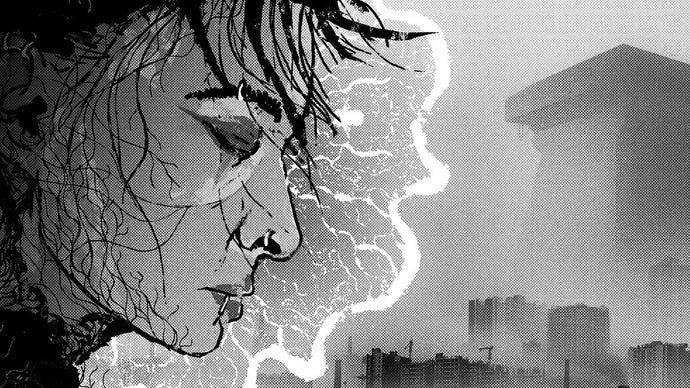
Signet City exemplifies Martin's commitment to human authorship. The game, set in a fictional 1980s Newcastle where players inhabit people's minds and influence their actions, features a distinctive hand-drawn aesthetic. The art style employs thick lines rendered in moody black and white, complemented by bleak industrial backgrounds and post-punk visual energy. Importantly, this is artwork created directly by Martin rather than commissioned from external artists, as was the case with the Citizen Sleeper series.
Martin does not use generative AI in any aspect of Signet City's development, a choice that aligns with their established creative philosophy. The very suggestion that Martin would employ AI tools runs counter to everything the creator is known for and what has driven their career success. According to Martin, the prospect of using AI in their work is essentially inconceivable given their artistic identity and the relationship they have built with their audience.
Martin explained that relying on AI would be equivalent to purchasing all art assets from a commercial asset store rather than creating original work. The fundamental reason people purchase Martin's games is that they originate from Martin's own creative vision and personal expression. The only reliable indicator of authenticity and value in their work is Martin's own identity and artistic voice. There is no other measurable quality to judge the work by; it succeeds or fails based on the strength of that individual perspective. This understanding has proven successful, and Martin is committed to deepening that personal investment in future projects.
Broader industry concerns
While Martin's own position on AI is clear, they recognize a genuine and serious threat posed by generative AI across the wider games industry. This threat stems from the industrial nature of game development at large studios, where workers frequently face poor treatment and lack of respect. In Martin's experience, people employed by major game companies are often not valued as creative individuals or respected for their humanity. This systemic disrespect creates a dangerous dynamic: if employers do not regard their workers as human beings worthy of respect, why would they hesitate to replace those workers with machines?
The core issue is that industrial production prioritizes output over people. When a system is designed purely for efficiency and profit, it becomes indifferent to whether work is performed by humans or machines, provided the work gets done. This logic represents the real threat to game developers. Martin emphasizes the need for vigilance and vocal resistance within the industry, making clear that automation of creative roles is unacceptable. Without active pushback, the replacement of human developers with AI systems seems almost inevitable given the cost-cutting logic that drives large corporations.
However, Martin notes that this threat does not directly concern their own practice, as they operate in a fundamentally different mode from industrial game production. Their approach prioritizes individual creative expression over efficiency metrics, making the automation logic of corporate game development irrelevant to their work.
What's next
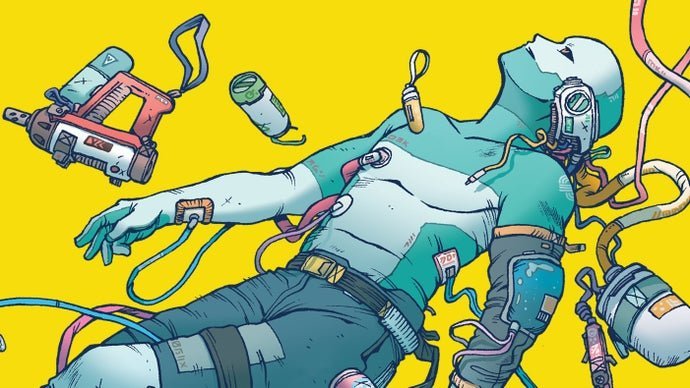
Signet City currently has no announced release date, though the game was reported to be approximately halfway through development when it was revealed this summer. Martin's most recent completed project, Citizen Sleeper 2, launched at the beginning of 2025 as a sequel that introduced greater tension and pressure into the series' established formula of heartwarming science fiction, dice-rolling mechanics, and role-playing gameplay.
Related Articles
About the Author