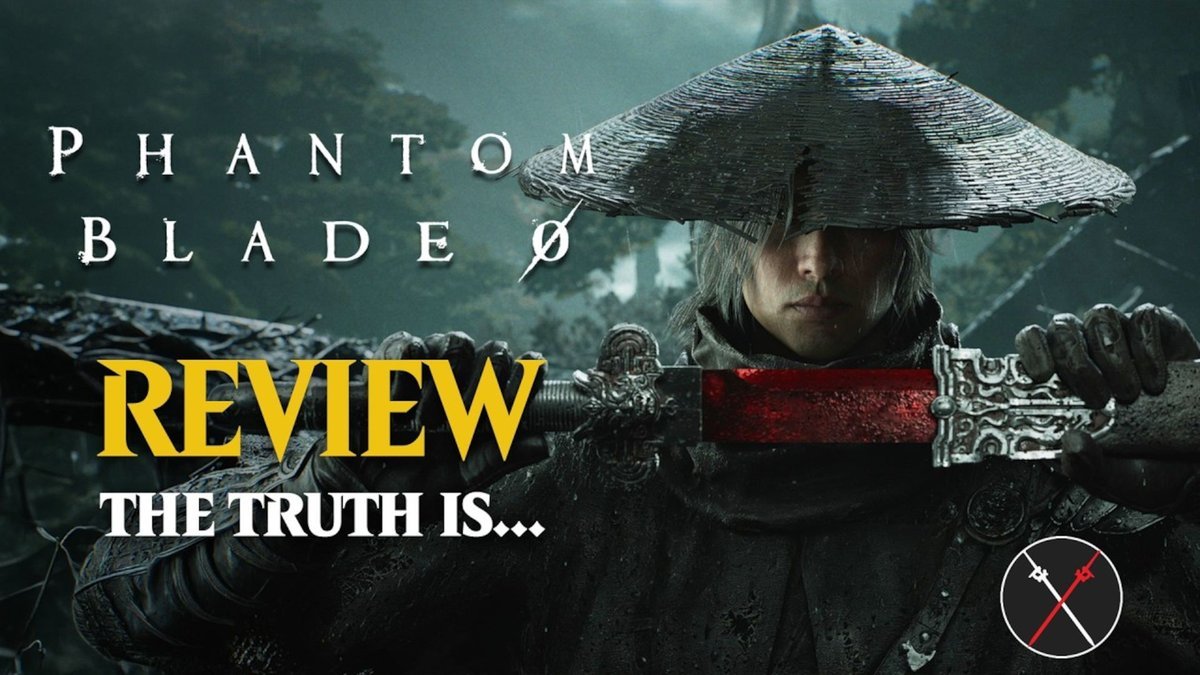
Phantom Blade Zero is an exceptionally ambitious action RPG from S-GAME that delivers in visual spectacle and combat design but stumbles in difficulty balance and exploration flow. After completing the full game, it emerges as a technically impressive title that will polarize players depending on what they value most in their gaming experience.
The scale of this project is immediately apparent. The maps are massive, the story is lengthy, and the number of boss encounters is staggering—approximately 55 to 60 unique bosses populate the campaign. What sets Phantom Blade Zero apart is how unlike anything else it feels, despite drawing inspiration from action RPGs and titles like God of War. The game carves its own identity through a distinctive blend of Asian aesthetics mixed with steampunk design.
Visual Presentation and Combat Excellence
The first thing that strikes players is the visual design. Phantom Blade Zero excels from both a graphical fidelity and art direction standpoint. The dark, tense atmosphere with intricate detail creates a world that draws players in immediately and maintains visual interest throughout the entire campaign. The vistas are genuinely beautiful, sometimes in a horrific way that reinforces the game's tone. This visual consistency never wavers across the dozens of hours of gameplay.
The combat system is where Phantom Blade Zero truly shines. Player control is responsive and precise; once mastered, the combat mechanics allow players to dominate encounters. The boss fights are the strongest element of the entire experience. Each boss is a spectacle both visually and mechanically, with designs that feel distinct despite the sheer number of them. The variety in boss appearance and attack patterns speaks to S-GAME's deliberate design philosophy. Fighting bosses never becomes tiresome, and each encounter feels like an event worth experiencing.
The soundtrack amplifies this experience significantly. The music shifts appropriately between hard-pumping rock during intense battles, soothing ambient tracks during exploration, and melancholic pieces during story moments. The variety is exceptional, with minimal reuse of tracks throughout the campaign. This audio design enhances the emotional weight of each scene and contributes substantially to the overall atmosphere.
Weapons, Build Variety, and Customization
Phantom Edges serve as secondary weapons and represent one of the game's highlights. The variety is extensive, and later options feature animations so visually striking that they alone justify experimentation. While most players will gravitate toward their preferred weapons early on, the sheer creativity of some Phantom Edges encourages trying them out. Beyond their combat function, Phantom Edges integrate into exploration mechanics, giving them utility beyond direct combat scenarios.
Accessories and medicines round out the customization options with impressive variety. Accessories function like rings or talismans and offer genuinely difficult choices about which to equip. Rather than one clearly superior option, the game encourages swapping accessories based on the specific challenge ahead. The medicine system similarly avoids a one-size-fits-all solution, offering heals over time, spot heals, buffs with smaller heals, and delayed heals triggered by health thresholds. This approach to consumable variety is uncommon in action games and meaningfully impacts how players approach encounters.
Technical Performance and Polish Issues
Performance is generally solid, with only two specific areas causing noticeable stuttering: the Shachi Tower on the first map and a water-heavy area later in the game. Outside these zones, the experience runs smoothly with only occasional minor stutters. The game remained crash-free throughout the review playthrough, though minor bugs like enemy clipping issues indicate the game could use additional polish. While nothing was game-breaking, the technical presentation falls short of the level of refinement expected for a title of this ambition.
Narrative Weaknesses and Story Delivery
The story is the game's weakest element. It follows a generic revenge-and-save-the-day narrative that fails to create strong investment in the protagonist Soul or most supporting characters. Much of the storytelling relies on lore notes and memory flowers—dialogue that plays over gameplay—making it difficult to track the large cast of characters. Players often hear about or read about characters before encountering them, sometimes only meeting them during boss fights. This fragmented approach to narrative delivery undermines character development and emotional stakes. The story also overstays its welcome; by the time the campaign concludes, the narrative momentum has dissipated. For a game where story occupies such a significant role, this represents a notable disappointment.
Enemy Design and Repetition Problems
Enemy designs are generally solid and avoid feeling repetitive during the early game. However, the sheer scale of the maps necessitated reusing enemy types extensively. The game fills its massive spaces by repeating enemy archetypes, and by the late campaign, players encounter early-game enemies again in later areas. While the game handles enemy variety better than many titles, the repetition becomes increasingly noticeable as the campaign progresses. Smaller, more consolidated maps could have alleviated this issue without sacrificing the sense of scale.
Difficulty and Lack of Tension
The most significant flaw is the absence of meaningful challenge. The reviewer played on Hell Walker, the hardest difficulty available for a first playthrough. A harder mode called 66 Days Mode exists, which limits players to a finite number of lives and deletes the save if those lives are exhausted, but this was unavailable during the review.
Several design choices eliminate tension from regular playthroughs:
- Enemies do not respawn after death
- Resting at bells does not trigger enemy respawns
- Completed boss phases remain completed even after dying
- Death carries no penalty outside 66 Days Mode
Without consequences for failure, there is no adrenaline rush during critical moments. The satisfaction of overcoming a difficult challenge evaporates when difficulty itself is absent. The difficulty curve, rather than escalating, trends downward as the game progresses. By the late campaign, most bosses fell on the first attempt, including the final boss. This lack of challenge fundamentally undermines what could have been a standout experience.
The reviewer suspects 66 Days Mode was the intended way to experience the game. With finite lives creating mounting tension despite individual encounters not being particularly challenging, the mode would create a crescendo of pressure. Playing through the campaign knowing that any mistake could erase dozens of hours of progress would transform the experience entirely. While an extremely difficult way to approach a first playthrough, it represents the version that would have elevated Phantom Blade Zero to game-of-the-year consideration.
Exploration and Loot Management
Exploration falters outside the opening chapters, which feature genuinely fantastic discovery and environmental design. The primary issue is the overwhelming volume of loot scattered throughout the world. Shiny objects appear constantly, forcing players to stop every few feet to collect items. This constant looting disrupts flow and becomes tedious.
The problem is compounded by the meaninglessness of most loot. Remnant dust for upgrades, weapons that are already maxed out, and upgrade materials that cannot be used until higher tiers unlock clutter the inventory. Players spend significant time collecting items they do not need, which breaks immersion and makes exploration feel like a chore rather than an adventure. This loot bloat particularly frustrated the reviewer because it distracted from the game's strongest element: boss fights and combat encounters. The desire to return to battles rather than continue exploring indicates a fundamental imbalance in pacing and reward structure.
Final Assessment
Phantom Blade Zero is a good game that falls short of being a great one. The visual design, combat mechanics, boss encounters, and audio design represent genuine achievements. However, the lack of challenge, narrative weakness, enemy repetition, and exploration friction prevent it from reaching the highest tier. The reviewer's personal game-of-the-year status remains out of reach, which is particularly disappointing given the clear passion behind the project.

Opinions on Phantom Blade Zero will vary significantly based on individual priorities. Players who tolerate repetitive enemies, engage with the story despite its flaws, and do not mind excessive loot will have a better experience. Those seeking meaningful challenge will be disappointed unless they commit to 66 Days Mode. If S-GAME patches the game to allow 66 Days Mode on first playthroughs, or if optional bosses are added that genuinely test player skill and force mastery of mechanics, the game could transform into something exceptional. Until then, it remains a technically impressive but mechanically uneven experience.
Related Articles
About the Author