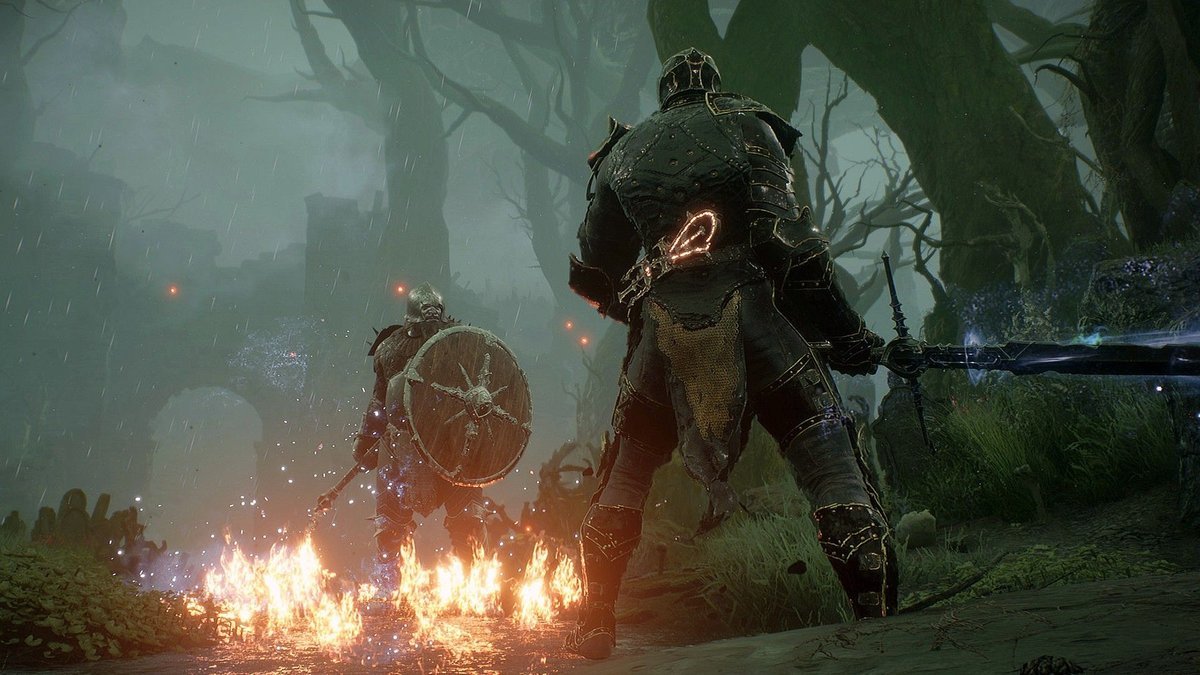
The soulslike genre has become defined by a set of familiar conventions: checkpoint systems, enemy respawns, stamina management, punishing bosses, and fixed difficulty. While many games in the space tweak these elements to be more forgiving or add minor flourishes, few have been willing to fundamentally reshape what makes a soulslike tick. A handful of titles, however, have managed to break from tradition and introduce major innovations that still feel true to the genre's core identity.
First-Person Combat Reimagines Perspective
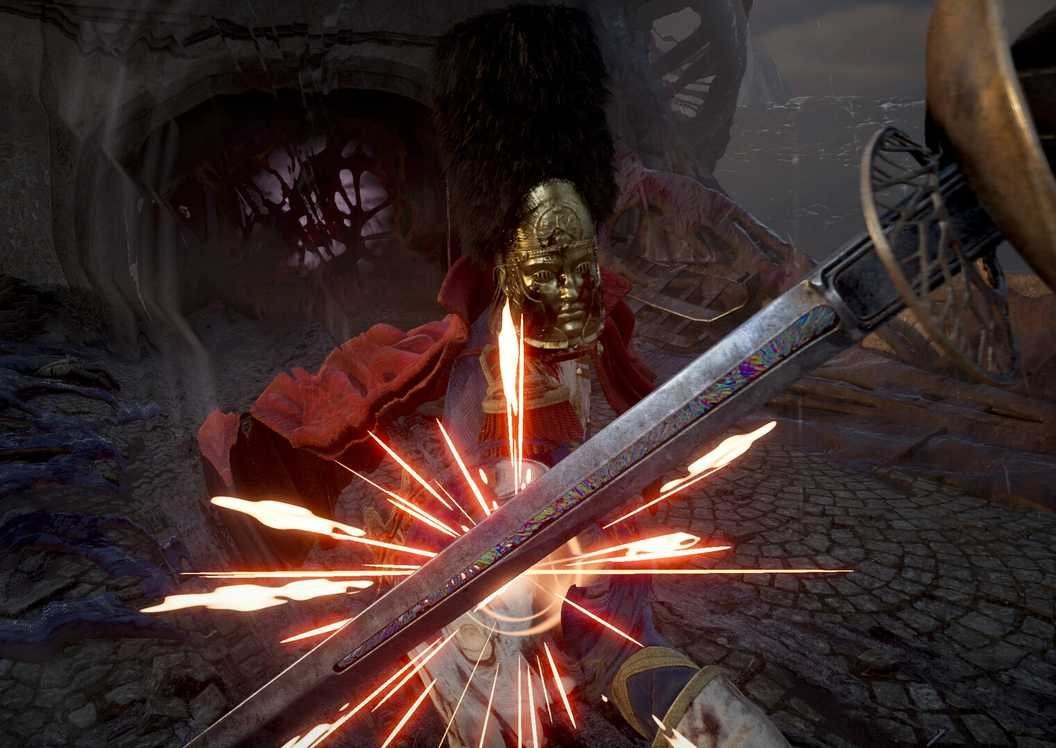
Valor Mortis stands as one of the newest entries to challenge soulslike conventions, introducing a first-person camera that fundamentally changes how players experience combat. The game maintains the parry-focused, stamina-driven combat players expect, but viewing the action through the protagonist's eyes creates an entirely different feel. Firearms and elemental abilities complement melee combat, allowing players to charge into groups of enemies while swinging a saber, unleashing flames directly from their hands, or taking precise headshots—experiences rarely found in traditional third-person soulslikes.
Beyond its perspective shift, Valor Mortis continues to surprise with an alternate-history Napoleonic setting, unconventional progression systems, and parkour sections that further distance it from genre norms. The first-person camera integrates smoothly with the combat flow, proving that the perspective change was more than a gimmick. Even players skeptical of first-person games have found the experience compelling, suggesting that the camera angle serves the gameplay rather than hindering it.
Firearms Become The Primary Weapon
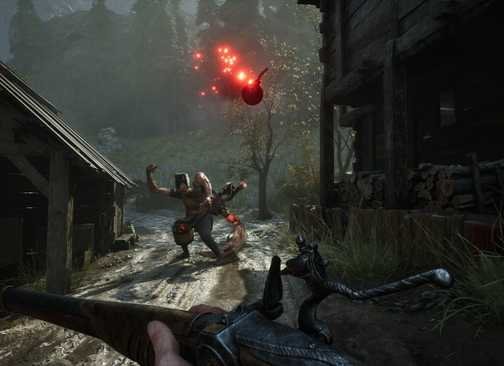
Remnant: From the Ashes emerged as one of the earliest soulslikes to make ranged combat the focal point rather than a situational tool. While Bloodborne featured firearms, they remained secondary to melee combat. Remnant inverted this hierarchy, and the series has maintained its position as unmatched in ranged soulslike design. The weapon variety spans traditional pistols, rifles, and shotguns alongside far more exotic boss weapons, ensuring players can find options that match their preferred playstyle.
The series maintains fidelity to core soulslike pillars despite its ranged focus, requiring constant dodging and rolling to survive encounters. Beyond the firearms emphasis, Remnant introduced several other departures from convention. Players do not lose currency upon death, the campaign uses a reroll-based structure, difficulty can be selected rather than imposed, and cooperative play receives strong emphasis. While melee combat remains viable in most situations, certain bosses and enemies require ranged approaches, keeping the gun-focused design integral to progression.
Dual Worlds Expand The Death Mechanic
Lords of the Fallen represents the most sophisticated use of dual-world mechanics within the soulslike genre. Rather than returning to a checkpoint upon death, players continue fighting in Umbral, a parallel world, with the opportunity to return to the living world of Axiom if they survive its unique dangers and find a path back. This structure fundamentally reimagines what death means in a soulslike context—it becomes a transition rather than a failure state.
The dual-world system enriches both combat and exploration. Players can switch to Umbral at almost any moment, and the ability to peek into the parallel world while searching for secrets rewards attentiveness and exploration. Hidden passages and treasures become discoverable through this mechanic, creating a layer of environmental storytelling absent from traditional soulslikes. The upcoming sequel appears poised to expand this concept even further, suggesting the mechanic has untapped potential.
2D Design Translates Soulslikes To Side-Scrolling
Salt and Sanctuary emerged early in the soulslike boom as one of the first games to successfully translate the genre's core elements into two dimensions. Blending 2D platforming, metroidvania design, and action RPG mechanics, it established an entire branch of side-scrolling soulslikes that continues to influence developers. The shift to 2D required substantial design changes; platforming fundamentally alters how navigation and encounters function compared to three-dimensional exploration.
The game maintains soulslike identity through substantial character building and the constant tension of venturing deeper into an interconnected world. Translating the genre's signature oppressive atmosphere to 2D presented challenges comparable to Valor Mortis' perspective shift. Salt and Sanctuary solved this through ability-based exploration, where movement upgrades like wall jumps and air dashes open new routes rather than relying primarily on keys or shortcuts. This approach proved one of the best fits for the 2D format, proving that soulslikes could thrive outside their traditional three-dimensional home.
Character Shells Offer Flexible Class Systems
Mortal Shell introduced a radical departure from traditional class systems by treating character classes as interchangeable tools. Rather than selecting a class at the start or using hybrid systems to create custom combinations, players find and wear various Shells, each representing a different character. Each Shell develops independently, unlocking unique abilities, and players can switch between discovered Shells without starting a new playthrough. This flexibility allows experimentation with different combat styles within a single run.
Beyond the Shell system, Mortal Shell contributed other innovations. The Harden ability serves as a creative alternative to blocking, allowing players to turn to stone even mid-attack and creating a distinct combat rhythm. The parry system operates separately from blocking, adding tactical depth. The recent sequel pushed these ideas further, removing stamina entirely and making ranged sidearms significantly more useful and versatile than in Bloodborne, though pure ranged builds remain challenging to execute.
Experimental Session-Based Gameplay
Elden Ring Nightreign stands as one of the most experimental soulslikes ever created, fundamentally challenging the genre's established structure. Rather than encouraging players to take their time and explore methodically—a cornerstone of soulslike philosophy—Nightreign urges rushing and rapid exploration to prepare for boss battles before time expires. The game operates through session-based adventures fueled by temporary builds and cooperative roles, creating a structure closer to a PvE battle royale than traditional soulslikes.
Many Elden Ring fans approached Nightreign with skepticism, and the game certainly will not appeal to everyone. However, it demonstrates that FromSoftware, the studio that defined the genre, continues to see potential in challenging its own conventions. The upcoming title The Duskbloods appears set to continue this experimental direction through PvPvE mechanics, suggesting the studio plans to keep pushing the boundaries of what soulslikes can be.
Related Articles
About the Author