Welcome to Elderfield, a new farming simulation game that launched in September, has become one of the highest-rated indie releases of the year by blending the cozy life-sim formula with horror elements and strategic combat. The game has earned a "Very Positive" overall rating on Steam while achieving an 8.7 out of 10 score from critics on Metacritic and an 8.6 out of 10 from users, establishing itself as a standout title for players seeking a fresh take on the Stardew Valley formula that has inspired countless games across the platform.
Stardew Valley remains one of Steam's most successful games, and its influence on indie development has been substantial. The farming and life simulation genre has flourished as a result, with numerous developers creating their own interpretations of the cozy gameplay loop. Welcome to Elderfield enters this crowded space with a deliberate twist: it wraps the familiar mechanics in a creepy, horror-themed aesthetic while introducing turn-based combat that fundamentally changes how players engage with the game's dangerous elements.
Core Gameplay and Familiar Features
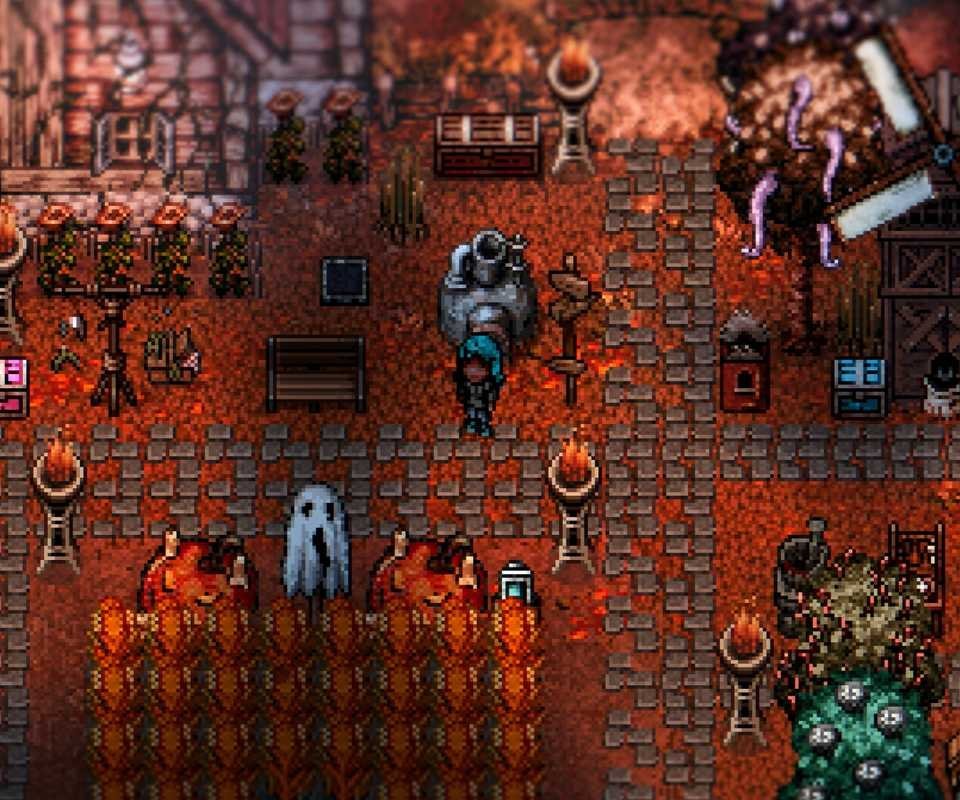
The game retains many elements that made Stardew Valley appealing to millions of players. Welcome to Elderfield functions as a full life simulation where players can interact with townspeople, pursue romance options, and develop relationships much like in the original inspiration. The farming mechanics are present and functional, allowing players to cultivate crops and manage their land. Beyond farming, the game includes fishing, cooking systems, and extensive house customization options that give players agency over their living space and daily routines.
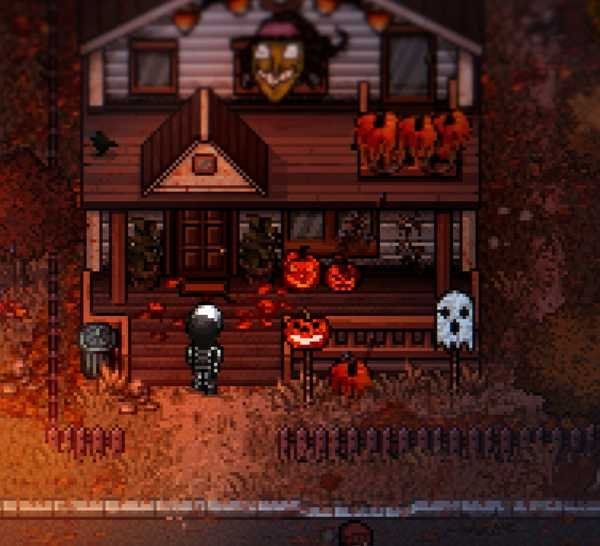
The visual presentation sets Welcome to Elderfield apart immediately. The art style mirrors Stardew Valley's pixel aesthetic but infuses it with a Halloween-inspired color palette and unsettling design choices. This creates an atmosphere that is simultaneously charming and deeply creepy, maintaining the cozy appeal of the genre while introducing an underlying sense of unease that permeates the entire experience.
Combat and Difficulty Customization
Where Welcome to Elderfield truly diverges from its primary inspiration is in its approach to combat. Rather than the simple hack-and-slash mining encounters found in Stardew Valley, this game features deeper, more strategically demanding turn-based battles against horrific creatures. The combat system is substantially more complex and intense, potentially attracting players who enjoy traditional RPG mechanics alongside their farming simulation elements.
Recognizing that not all players want combat to dominate their experience, the developers included difficulty adjustment options. Players who prefer to emphasize farming and life simulation elements can lower combat difficulty to prevent battles from overshadowing the peaceful aspects of gameplay. This flexibility allows the game to appeal to a broader audience, whether players prioritize relaxation or challenge.
Horror Takes on the Farming Formula
Welcome to Elderfield is not the only recent game experimenting with horror-themed farming simulation. Grave Seasons, another title in development, takes a different approach to the concept. Rather than focusing on cosmic horror like Welcome to Elderfield, Grave Seasons grounds its horror in a more grounded narrative: one of the townspeople is secretly a serial killer. When Grave Seasons releases next year, it will offer players another distinct interpretation of how horror can be woven into the Stardew Valley template, giving the community multiple options for experiencing the genre in new ways.
Related Articles
About the Author