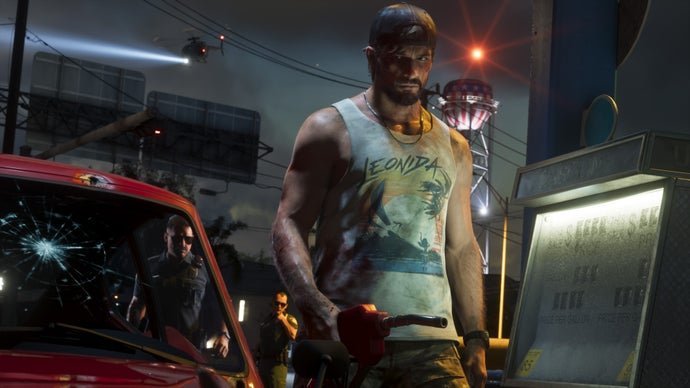
A major cultural event has swept the gaming world, yet for PC players it remains tantalizingly out of reach. The release of Grand Theft Auto VI has sparked months of internal debate at one major games outlet about how to cover a phenomenon that most of its audience cannot currently experience.
The challenge stems from a fundamental tension. Grand Theft Auto VI is undeniably the biggest game release in years, a cultural touchstone that has penetrated mainstream consciousness far beyond gaming circles. Yet its current exclusivity to console platforms means that PC gamers—the core readership of many PC-focused outlets—cannot play it. Historical precedent suggests a PC version will eventually arrive, making the game at least partially relevant to the site's audience in the future. At the same time, enthusiastically flooding the front page with coverage of something most readers cannot access would be tone-deaf.
The editorial solution struck a balance: continued but measured coverage of developments around the game, ongoing reporting on developer Rockstar's labour practices, and several days of lighthearted content about alternative open-world crime games that PC players could actually play. This restrained approach to news and features, however, contrasted sharply with the guides team's output during the same period. Nearly every major guide published during launch week covered Grand Theft Auto VI content, creating what amounts to a parallel editorial reality.
The economics of guides
The explanation for this apparent contradiction lies in the economics of running a free-to-access games website. Guides are not merely supplementary content; they are essential to survival. For a publication that relies primarily on advertising revenue rather than subscriptions, guides drive traffic at a scale that traditional editorial features cannot match. The difference is stark: a deeply reported feature on an indie game attracted roughly 0.5 percent of the traffic generated by a single guide listing Grand Theft Auto VI strip clubs.
This disparity creates a genuine dilemma for editorial independence. Some outlets might respond by abandoning coverage of niche indie games and smaller releases in favour of blanket megablockbuster coverage. But this particular publication has consistently resisted that path, maintaining coverage of unconventional and offbeat games even when the traffic metrics tell a different story. The guides team—described as exceptionally skilled at driving revenue—effectively subsidises the more diverse editorial operation that defines the outlet's identity.
The result is imperfect. It creates a fragmented site where the guides section treats a console-exclusive game as if it were a live PC release, while the editorial side maintains restraint. But when those guides effectively fund the ability to cover scratchy indie games, experimental titles, and the kinds of stories that mainstream outlets ignore, the arrangement becomes defensible as the best currently feasible approach.
Addressing community conflict over AI
A more pressing concern has emerged around how the outlet covers generative artificial intelligence in game development. Recent weeks have seen heated exchanges in comment sections and on social media following coverage of AI use in games, particularly around an article about developer House House's use of AI in Big Walk. The conversation became sufficiently toxic that it prompted a formal apology from editorial leadership.
The incident began when the article's writer shared critical comments from readers on social media, portraying members of the community in a negative light and inviting criticism from their followers. The writer acted from defensiveness after becoming a target of abusive messages in the comments section. While the abuse directed at the writer was unacceptable and resulted in bans for offending commenters, the writer's response—publicly mocking readers—violated the outlet's commitment to respect its audience. Editorial leadership acknowledged that this behaviour hurt community members, particularly those attempting to moderate the conversation constructively.
Beyond this specific incident, the tone of AI-related discussions has deteriorated across the entire site. Comment sections have become increasingly hostile, with readers treating anyone who does not vehemently oppose generative AI as an enemy. The editorial team acknowledged failing to address this escalating hostility, allowing a toxic environment to fester through inaction.
Navigating conflicted positions
The outlet's leadership has resisted calls for a site-wide policy or charter governing how AI is discussed. This decision reflects a fundamental editorial principle: writers retain freedom to express their own voices and opinions. This approach inevitably means the site's output lacks a consistent stance on controversial issues. Different writers hold different views, and that inconsistency is considered an acceptable price for maintaining editorial independence and the diversity of perspective that has historically defined the publication.
Editorial leadership openly acknowledged their own conflicted feelings about generative AI. A few years ago, the stance was straightforward opposition. Today, the position is more nuanced. Machine learning has enabled genuine innovations in gaming-related technology and hardware, as well as applications in fields like medical imaging. However, contemporary generative AI presents substantial problems: environmental costs from training and operation, poor output quality in many applications, unauthorised scraping of creative works, potential for creating misleading audio-visual material, and documented risks to vulnerable users of AI chatbots.
Beyond these concerns lies an existential threat specific to content-driven websites. Google's integration of generative AI into search results poses a direct challenge to the survival model of sites dependent on organic search traffic. No amount of guides to finding hidden game content can fully offset the impact of search results that synthesise information without directing users to the original sources.
A call for thoughtfulness
Despite these reservations, editorial leadership called for a general de-escalation of AI discourse. The goal is not to suppress debate but to conduct it with greater thoughtfulness and less performative dunking. Readers and writers alike would benefit from approaching the topic with nuance rather than treating it as a binary moral question where neutrality equals complicity.
The outlet will not position itself as an enforcer of AI orthodoxy, rushing to condemn every developer who uses generative tools. Editorial staff will not make excuses for games that adopted AI, but neither will they target individual indie developers when larger systemic issues deserve attention. In the comments section, moderation will continue to focus on actual bad behaviour—abuse, personal attacks, and violations of community standards—rather than policing particular viewpoints about AI itself.
One editor indicated a personal inclination to write less about generative AI going forward, not more. When the topic does arise, the intention is to articulate positions deliberately rather than reactively. This approach reflects the broader commitment to editorial freedom: different writers will continue to express different views, and readers are trusted to understand that disagreement among staff members reflects genuine intellectual complexity rather than inconsistency or hypocrisy.
The outlet's community has historically been mature enough to grasp that multiple perspectives can coexist within a single publication. Leadership expressed confidence that readers and writers can collectively choose to lower the temperature on AI discussions while maintaining substantive engagement with the technology's implications for games and the industry.
Related Articles
About the Author