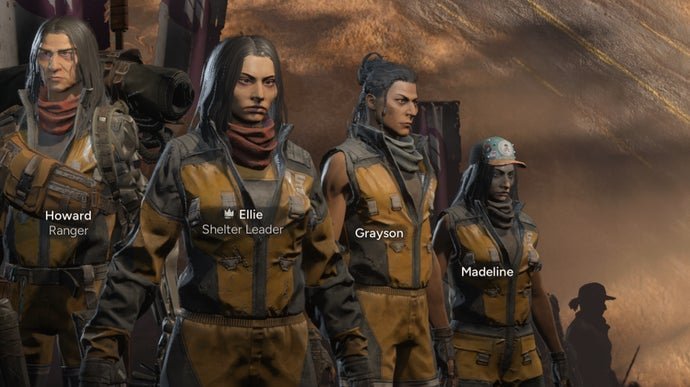
Paradox Interactive's post-apocalyptic grand strategy title Afterworld is taking shape through regular developer updates, with the latest blog post revealing one of the game's most distinctive mechanics: instead of commanding a single monolithic civilization, players assemble and manage a collection of wasteland bands with competing interests and individual requirements.
The core gameplay loop revolves around recruiting bands through diplomacy, conquest, or cultural assimilation. Each band possesses its own set of needs that must be satisfied to keep them motivated and cooperative within the larger tribal structure. Meeting these requirements encourages bands to follow orders and contribute to the tribe's collective goals.
Diverse Band Needs and Motivations
Bands operate on a system of basic and specialized needs. The foundational requirements include shelter, nutrition, hydration, medicine, social standing, and protection from external threats. Beyond these universal concerns, each band develops unique needs shaped by their cultural background and historical experiences. The developers note that needs scale based on band size, population level, and broader game state conditions that create logical cause-and-effect relationships.
Band priorities shift dynamically based on circumstances and recent history. A group that has endured severe starvation will place greater emphasis on acquiring food, while bands holding positions on the tribal council expect increased social standing as a consequence of their elevated status rather than merely their inherent identity. These shifting priorities create emergent gameplay where the same band may prioritize different needs at different points in the campaign.
The system allows for stark contrasts in band composition. A developer example describes vegetarian bands that excel at foraging and refuse to consume even dried insects, existing potentially alongside cannibal bands with a dedicated human flesh consumption metric. The developers have not indicated restrictions preventing both groups from joining the same tribe, creating opportunities for darkly comedic management challenges.
Strategic Band Selection and Motivation
Players must identify which bands align with their tribe's strategic objectives and focus motivation efforts accordingly. The system encourages narrative and systemic depth by presenting meaningful choices tied to band identity and circumstances. A band's priorities may shift from food security during a famine to security concerns when rumors of external threats emerge, requiring players to adapt their management approach.
The developers explain that when players examine what specific bands actually desire, they encounter choices that feel both narratively coherent and mechanically sound. This creates a gameplay experience where resource allocation becomes a story-driven exercise rather than pure optimization.
Coercion and Control Mechanics
The most experimental aspect of the band motivation system involves managing the tension between individual band needs and overarching tribe policy. Players can station troops in settlements to make bands feel dominated, which increases their motivation regardless of whether their specific needs are met. This allows running portions of the tribe through intimidation while managing others through incentives.
The developers acknowledge this system remains under active iteration, with the goal of offering varying sustainability levels depending on player approach and band composition. Coercion carries significant risk: bands kept under control through force may rebel violently once the military pressure is removed. The developers illustrate this with an example where players might discover a rival tribe maintaining control through forced medical sedation of their lower classes. Sabotaging or raiding the sedative supply could cause the oppressive tribe's structure to collapse.
Comparison to Other Paradox Titles
The band management system draws natural comparisons to other Paradox Interactive grand strategy games. The mechanics resemble managing unlanded adventurer leaders in Crusader Kings 3, where players must balance multiple factions with divergent interests. The system also evokes the detailed simulation of The Sims, but scaled to continental proportions and populated with irradiated, tattooed neo-Bronze Age raiders instead of suburban families.
Paradox has emphasized that Afterworld draws inspiration beyond the Fallout franchise. The developers have stated that Fallout does not rank in the top five reference points for the game's design, suggesting broader influences from historical grand strategy traditions and other sources.
Procedural History and Replayability
Afterworld features procedurally generated history that creates a unique apocalypse scenario for each playthrough. Rather than following a fixed historical timeline, the game writes new post-apocalyptic narratives based on procedural generation systems, ensuring that each campaign begins from a different starting point with different established factions and circumstances.
The combination of band management depth, dynamic need systems, and procedurally generated history suggests a game focused on emergent storytelling and player-driven narrative. The mechanics reward players who understand their bands' motivations and adapt to changing circumstances, while punishing those who rely too heavily on coercion without addressing underlying grievances. Afterworld remains in development with no announced release date.
Related Articles
About the Author